
Written scope
Square footage, materials, and fixed price
Attic Mold Removal Bradenton FL starts with finding the moisture, not just spraying the stain. We inspect your roof deck, insulation, and ventilation, then run attic mold remediation in Bradenton with negative air machines, HEPA vacuums, and antimicrobial treatment. If you have seen black mold in the attic or smelled that damp, musty odor upstairs, we can be on site today.
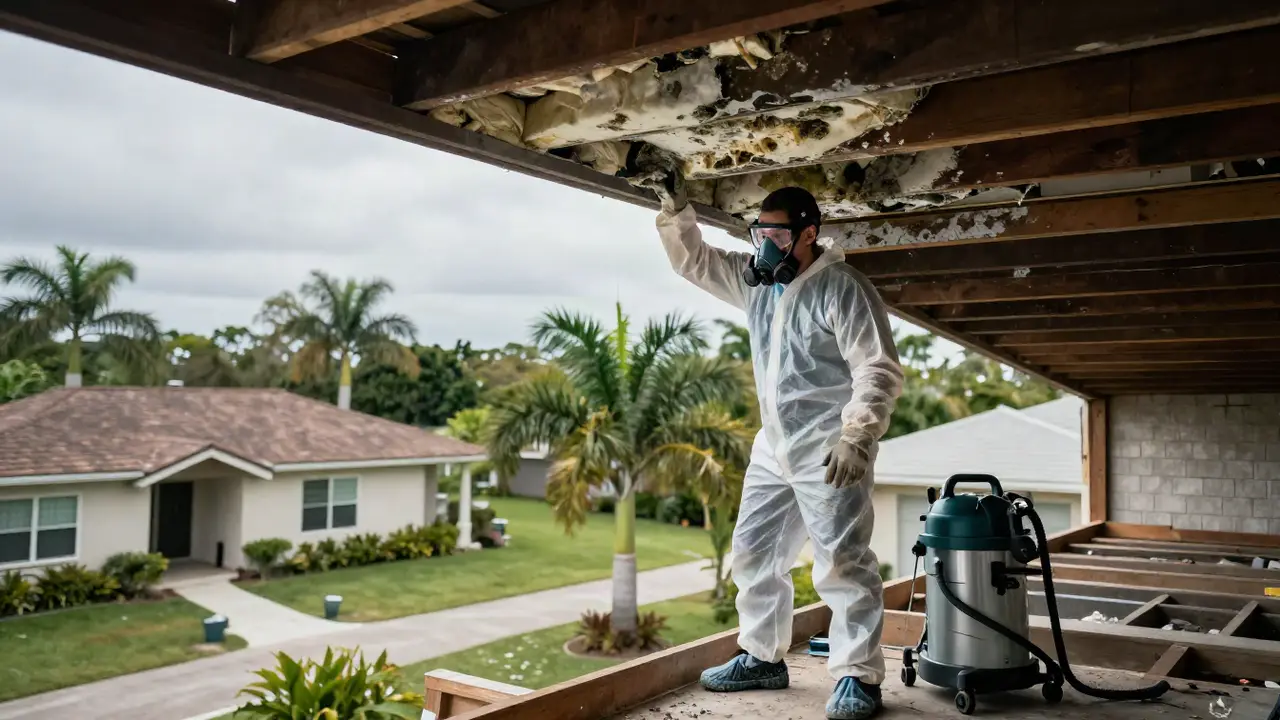
Every attic mold removal job we run includes the full containment-and-clearance package. If your situation needs something beyond that, like roof repair or duct cleaning, we tell you upfront and either handle it or bring in the right trade.
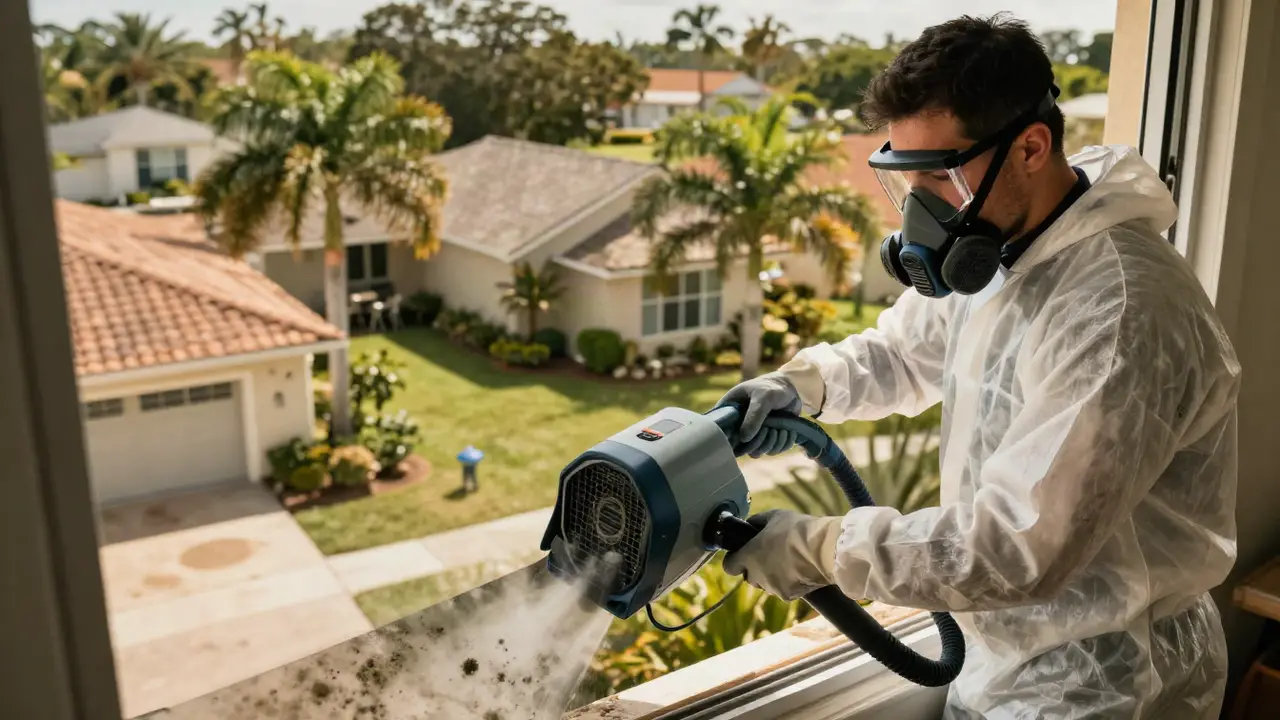
We handle attic mold for homeowners and renters across Bradenton, from small ranches to two-story homes. Every job starts with a moisture check and ends with a written clearance summary.
We work with property managers, landlords, and small commercial owners who need attic mold handled without disrupting tenants. Scheduling is flexible and documentation is provided for every unit.
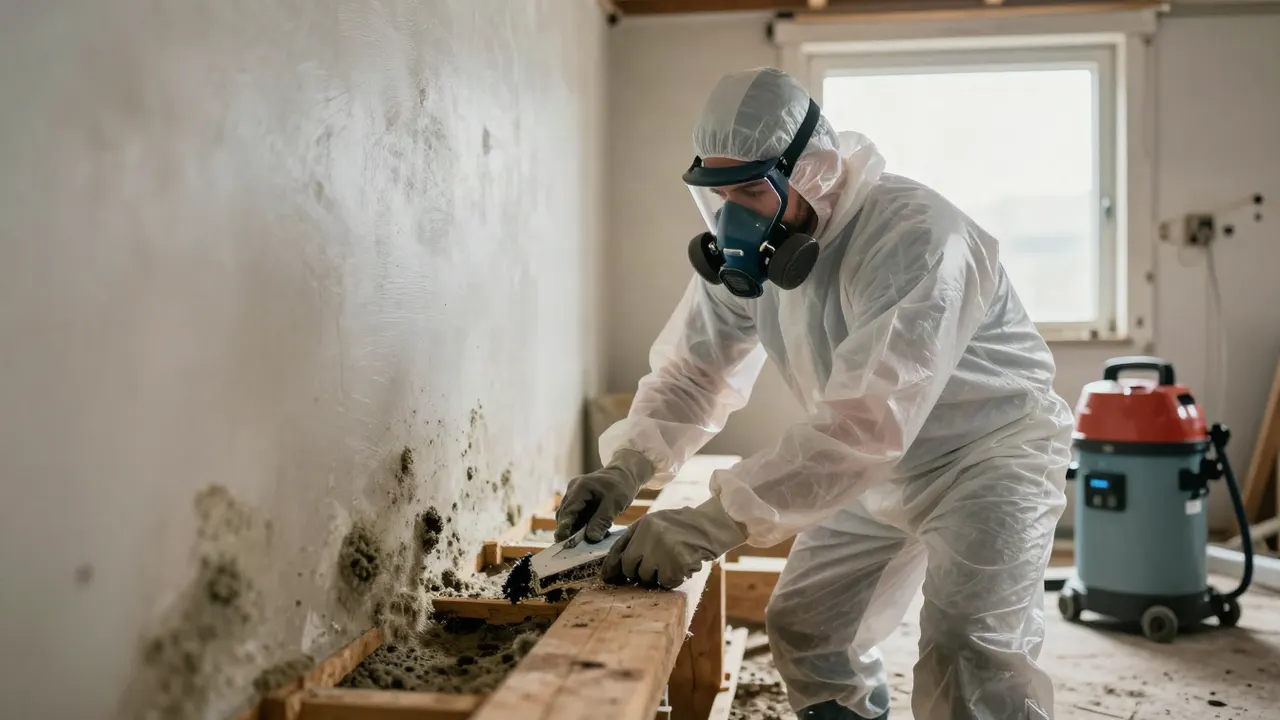
Attic mold removal is the process of containing a contaminated attic, removing mold-damaged insulation and porous materials, HEPA-vacuuming the framing and roof deck, and treating the remaining wood with an antimicrobial so spores stop spreading. It is not a spray-and-paint job. We use a thermal imaging camera and moisture meter to trace the water source, a boroscope to check inside wall cavities and soffits, and an air scrubber with HEPA filters to keep spores out of your living space while we work.
In Bradenton, attic mold almost always traces back to one of four things: a leaky roof, HVAC condensation dripping from uninsulated ductwork, poor ventilation trapping humid air, or a slab leak pushing moisture up through the walls. Our subtropical humidity runs high most of the year, and attics here hit 130 to 150 degrees in summer, which is a perfect incubator. If you have been searching for affordable attic mold removal in Bradenton FL, the first step is a proper inspection, not a quote over the phone.
We find the water first, then remove the mold, because treating the stain alone never holds.
Every job follows the same five steps, whether it is a 900-square-foot ranch in Downtown Bradenton or a two-story in the Village of the Arts. Here is what you will see from us.
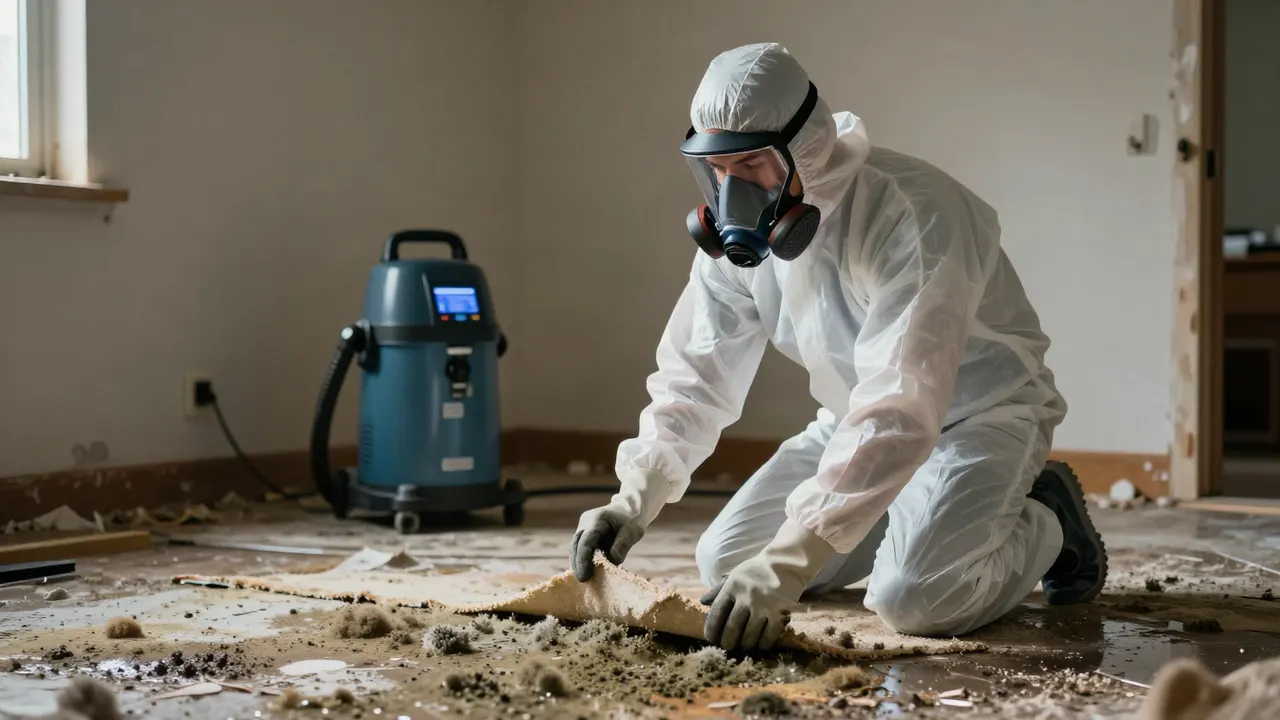
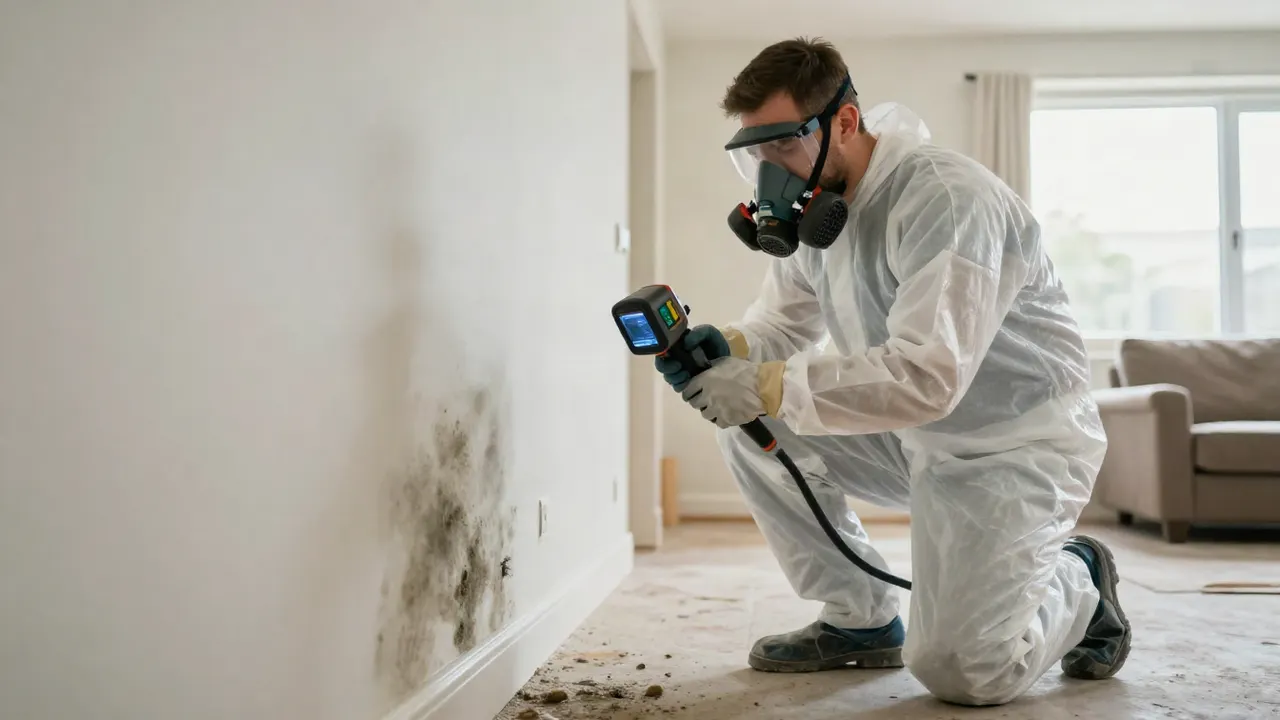
We walk the attic with a thermal imaging camera and moisture meter, check the roof deck, ridge vent, soffits, and every penetration, and use a boroscope inside wall cavities where we suspect a hidden leak. You get photos and a written scope the same day. This step usually takes 45 to 90 minutes.
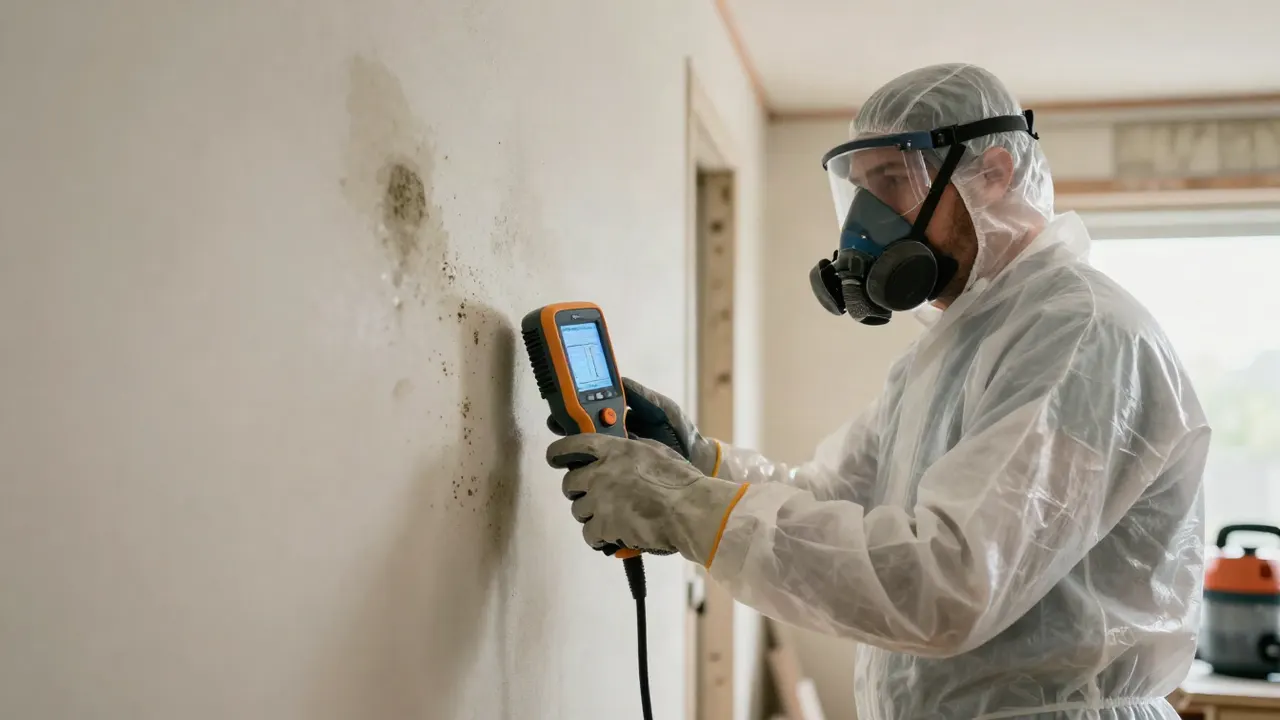
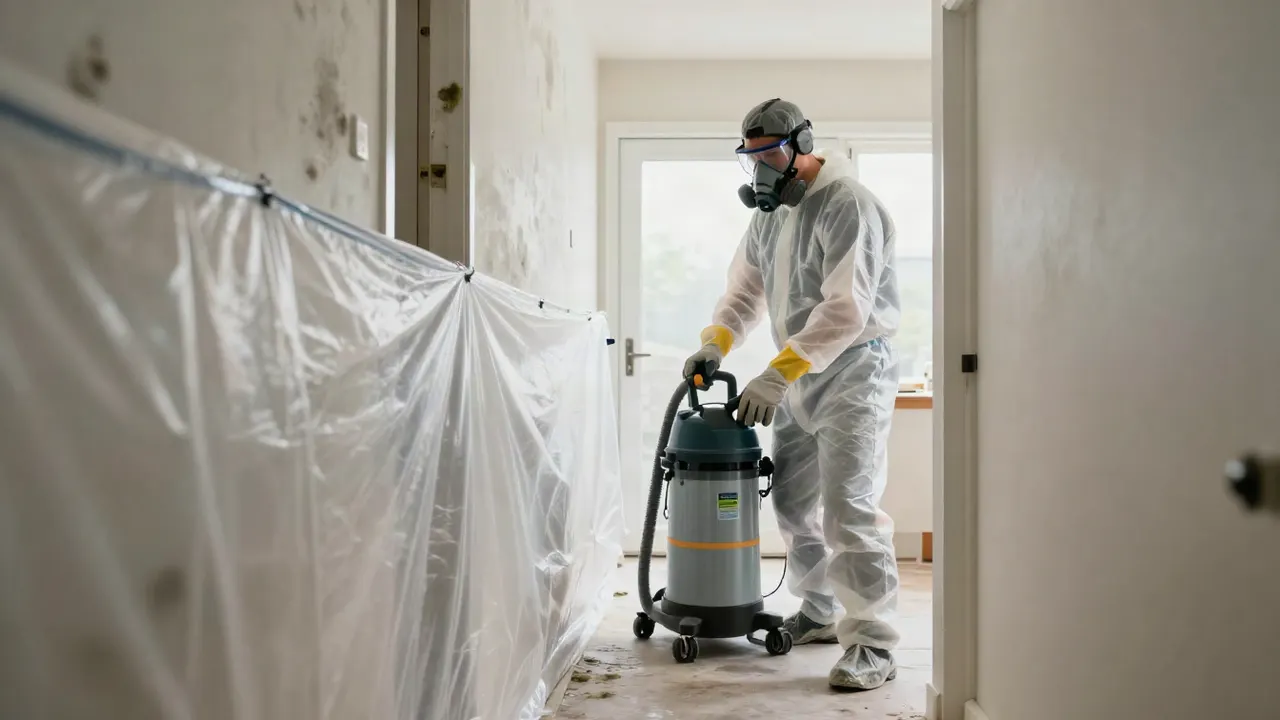
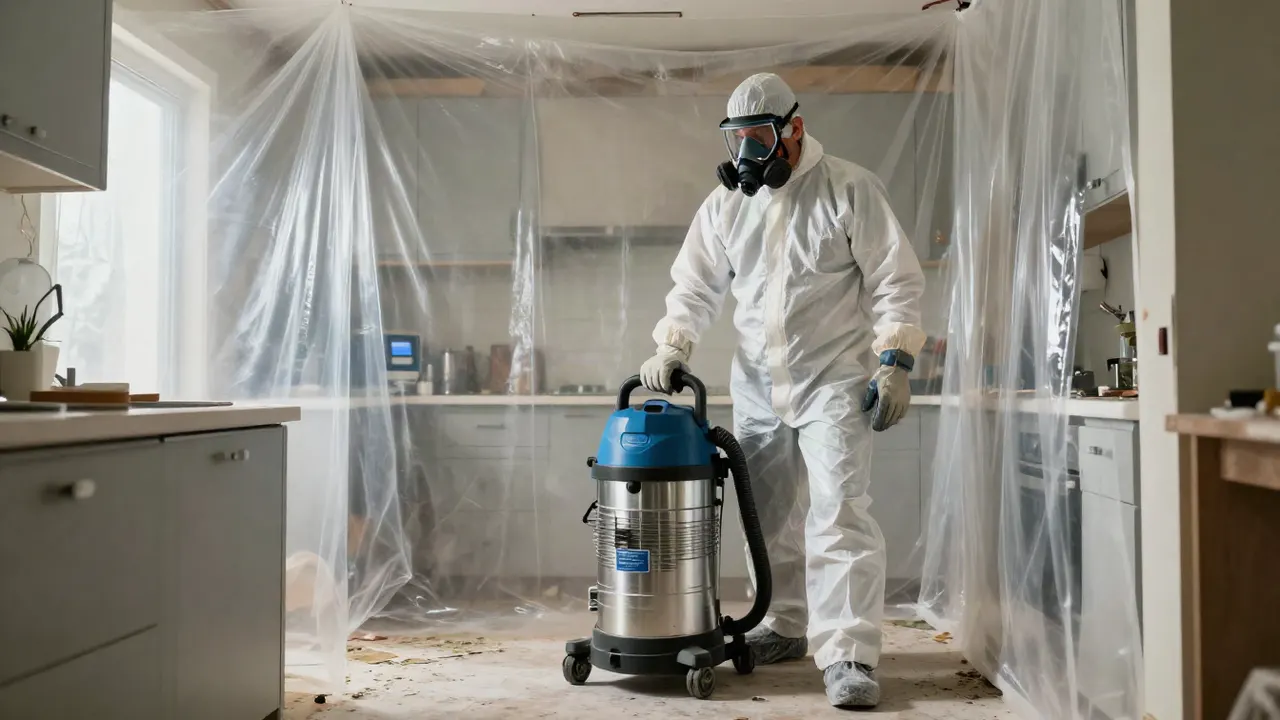
We seal the attic hatch and any open returns with plastic sheeting and duct tape, then set up a negative air machine with HEPA filters so the attic stays under negative pressure. That means spores travel out through the filter, not down into your kitchen. Setup runs about an hour.
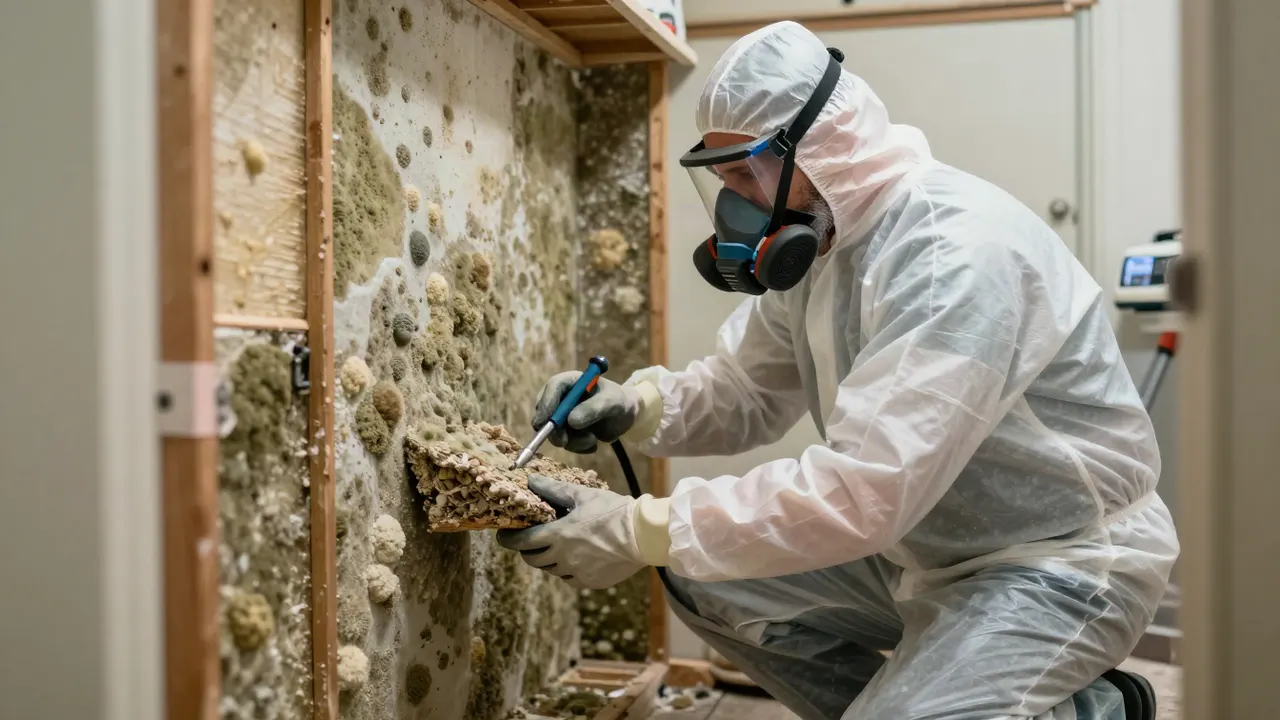
Contaminated insulation goes into sealed bags and out of the house. We HEPA-vacuum every framing member, rafter, and roof deck surface, then scrub the wood with an antimicrobial spray. On heavier growth we use a fogger with Benefect or Concrobium to reach the tight corners.
Once the wood is clean and dry, we apply a mold remediation encapsulant such as Fiberlock or RMR to seal the remaining staining and lock down any residual spores. This is what keeps the attic from re-blooming the next time humidity spikes.
We run a final moisture check, confirm the source is fixed, and replace insulation and any removed drywall. You get a clearance summary with before-and-after photos. Most attics are back to normal in one to three days.
Finds temperature differences that reveal hidden moisture behind drywall, in wall cavities, and along roof decking before mold is visible.
Gives us exact percentage readings on framing and sheathing so we know what is wet, what is dry, and when the structure is ready for treatment.
Keeps the attic under negative pressure during remediation so spores travel out through the filter instead of into your living space.
Removes settled spores from rafters, trusses, and roof deck surfaces after bulk removal. Standard shop vacs just blow spores back into the air.
Lets us look inside wall cavities, soffits, and chases without cutting open drywall, so we can confirm hidden growth before quoting.
Applies Benefect or Concrobium as a fine mist that reaches tight corners and irregular wood surfaces where sprayers cannot get full coverage.
Dries the attic after treatment and polishes the air during the job. We run Dri-Eaz and Phoenix Restoration units on larger attics.
The industry standard for mold remediation. It defines containment levels, removal procedures, and clearance criteria. We follow it on every job, which is why our documentation holds up for insurance and real estate purposes.
We inspect the deck with a thermal camera, contain the attic, remove any wet insulation, HEPA-vacuum and treat the wood, and encapsulate the framing. We also document the leak location for your insurance claim. The deck is dry and treated, insulation is replaced, and you have photos and a written summary to support the claim.
We trace the odor to the source, usually attic growth or a contaminated air handler. A boroscope check of wall cavities and returns tells us where the spores are coming from before we quote any work. The source is found and remediated, and the musty smell clears within a day or two of the job finishing.
We do a full inspection with moisture readings and photos, give you a written scope with a fixed price, and can complete the work before closing if timelines allow. Documentation is formatted for lenders and agents. You close with a clean attic and a paper trail showing exactly what was removed and treated.
We remediate the current growth, then address the root cause, whether that is ventilation, a roof leak, or HVAC condensation. We schedule the work around tenants and document everything for your records. The attic stays clean through the next wet season, and you stop paying for repeat remediation.
Bradenton sits in Manatee County with Gulf humidity that keeps attics damp most of the year. Summer attic temperatures hit 130 to 150 degrees, and storm season dumps water on roofs that are already 15 to 25 years old in many neighborhoods. That combination is why we see so much growth on the north-facing roof deck, where shade and moisture linger longest. Older homes near Downtown Bradenton and the Village of the Arts often have minimal soffit ventilation, which traps humid air and feeds mold year after year. Newer builds are not immune either. We regularly find HVAC condensation dripping from uninsulated ductwork in homes built in the last decade. If you have been looking for same-day attic mold cleanup in Bradenton FL, we keep containment materials and HEPA equipment on every truck so we can start the same day we inspect. We also work with local roofers and HVAC techs to close the water source, because remediation without a fix is just a repeat visit waiting to happen.
A summer storm pushed water through failed flashing on a 22-year-old roof. The homeowner noticed a musty smell in the hallway and found dark staining across roughly 200 square feet of roof deck. Insulation in that section was saturated and compressed.
We contained the attic, removed 200 square feet of wet insulation, HEPA-vacuumed and treated the deck, and encapsulated the framing. New insulation was installed to the original depth. Moisture readings came back dry, and the hallway odor cleared within 48 hours.
The homeowner had the flashing repaired by a roofer the following week. We recommend an attic moisture check every spring before storm season and after any roof work.
A home built in 2018 had mold growing along the air handler platform and nearby rafters. The condensate drain was partially clogged, and uninsulated ductwork was sweating through the summer. Growth covered about 60 square feet.
We cleared the drain line, remediated the affected area, and treated the platform and framing with antimicrobial and encapsulant. The HVAC tech insulated the duct run. Follow-up moisture readings were normal, and no new growth appeared at the 90-day check.
We recommend having the condensate line flushed every spring and checking the air handler pan monthly during cooling season.
A 1940s bungalow had mold along the entire ridge line and most of the north-facing rafters. There were no soffit vents, and the attic had no intake air, so humidity built up year after year. Roughly 400 square feet of deck was affected.
We remediated the full attic, HEPA-cleaned the framing, and encapsulated the deck. We then installed proper soffit and ridge ventilation. The homeowner reported no musty odor the following summer, and a moisture check confirmed the attic was staying dry.
Keep soffit vents clear of insulation and debris. We suggest an annual attic inspection before the wet season to confirm airflow is still working.
Most attic mold calls come down to one of a handful of root causes. We fix the cause, not just the stain, so you are not calling someone back in six months.
We map the leak with a moisture meter and thermal camera, contain and remediate the affected deck, then coordinate with your roofer on the flashing repair so the source is closed. Water tracks along the sheathing and soaks the insulation below, feeding mold across a wide area before you ever see a ceiling stain.
We identify the sweating component, remediate the growth, and get your HVAC tech to insulate or reroute the line. We also check the air handler pan and drain for standing water. A clogged condensate line or uninsulated duct sweats constantly in a Bradenton summer, keeping the deck wet and mold active year-round.
We remediate the growth, then recommend and install proper ridge and soffit ventilation so the attic can breathe. That is the single biggest factor in keeping mold from returning. Attics without proper intake and exhaust vents hold moisture, and temperatures of 130 to 150 degrees turn the space into a mold incubator.
We seal the attic from the living space, run negative air during remediation, and HEPA-clean every surface. If ductwork is contaminated, we scope that separately and clean it too. Spores ride the return air into bedrooms and living areas, causing musty odors, allergy symptoms, and contamination of carpets and ductwork.
Mold feeds on the plywood sheathing under your shingles. Left alone for a season or two, the deck softens, shingle nails lose grip, and you are looking at a full roof replacement instead of a remediation. We treat and dry the deck so it holds.
Wet or moldy insulation loses its R-value fast. Blown-in fiberglass that has been damp for weeks compresses and stops doing its job, which drives your cooling bill up. We remove the contaminated material and replace it so your attic performs again.
That smell in the hallway is spores and microbial volatile compounds moving through the return air. Once the source is removed and the attic is scrubbed with HEPA filtration, the odor goes with it. Most customers notice the difference within 24 to 48 hours.
Black mold in attic removal in Bradenton FL is really about the air your family breathes. Sealing the attic from the living space and running negative air pressure during the job keeps spores from settling into carpets, bedding, and ductwork while we work.
Clear records you can keep and share.
Square footage, materials, and fixed price
Before-and-after images of every area
Final moisture readings and treatment notes
Mold in an attic is a moisture problem first and a mold problem second. If the water source is not fixed, any treatment will fail within a season.
Spraying mold does not remove it. Dead spores still trigger allergies and still hold moisture. Removal means HEPA vacuuming and physical cleaning of the surface.
Wet or moldy insulation cannot be cleaned and has to come out. Dry insulation that stayed clear of the growth can often stay in place and save cost.
An attic without proper intake and exhaust vents will grow mold again. Fixing airflow is the most reliable way to keep the attic clean long term.
Outside these areas? Call and ask, we may still be able to help. 123456789
Most attic jobs in Bradenton run $1,200 to $4,500 in 2026, with small single-story attics at the low end and large two-story homes with heavy growth and full insulation replacement at the top. Cost drivers are square footage, how much insulation has to come out, whether the roof deck needs encapsulation, and how hard the attic is to access. We give you a fixed price after the inspection, not a range over the phone.
We contain the attic with plastic sheeting, run a negative air machine with HEPA filters, remove moldy insulation, HEPA-vacuum the framing and roof deck, treat the wood with an antimicrobial, and apply an encapsulant. Then we verify moisture levels and replace insulation. The whole process usually takes one to three days depending on size and how much material has to come out.
Yes, when it is done early. Mold feeds on the plywood sheathing, and once the deck stays wet long enough, the wood delaminates and shingles start to lift. Removing the mold, drying the deck, and fixing the roof leak stops that cycle. If the deck is already soft, we flag it and you get a roofer involved before the damage spreads to trusses.
We do. If a storm has pushed water through your roof or you have just found active growth after a leak, call us and we will get containment up fast to stop spores from spreading into the living space. Emergency calls get a same-day or next-morning slot, and we can tarp or isolate the area while we wait on roof repairs.
Send us a photo of the attic and we can usually tell you what we are looking at before we arrive. Same-day inspections, fixed pricing, and a written scope before any work starts. Call now and we will get you on the schedule.
Call us any time, day or night. For active leaks and storm damage we dispatch emergency crews right away. For non-urgent mold issues, we schedule same-day or next-morning inspections across Bradenton and Manatee County.