
Written report
Photos, readings, and findings in one document
If you smell something musty or see dark spots after a leak, a professional Mold Inspection Bradenton FL is the fastest way to confirm what is growing and where. We inspect attics, walls, under sinks, and around HVAC units in homes and businesses across Manatee County. Our mold assessment Bradenton FL uses moisture meters and thermal imaging to find the source, not just the stain. You get a clear written report and a plan the same day.
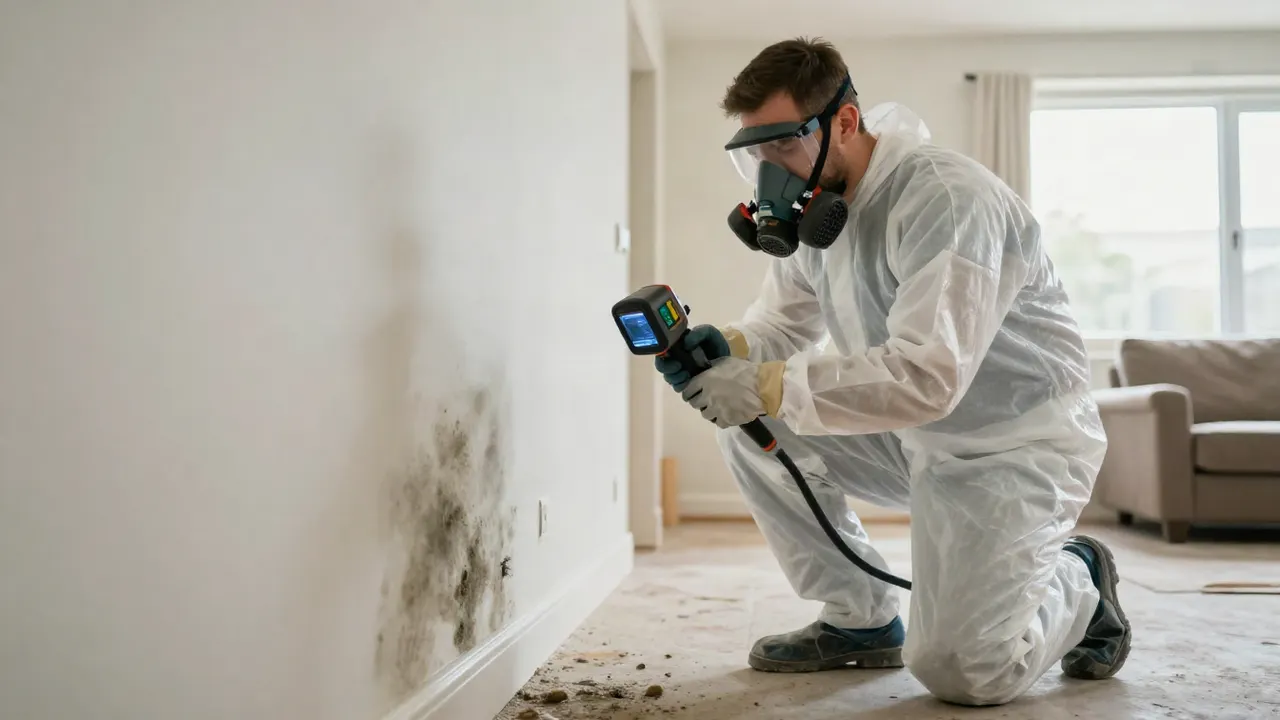
Every inspection includes the core steps below. If your property needs additional sampling or a boroscope check inside a wall cavity, we tell you before we do it and you approve the cost. No surprise line items on the final invoice.
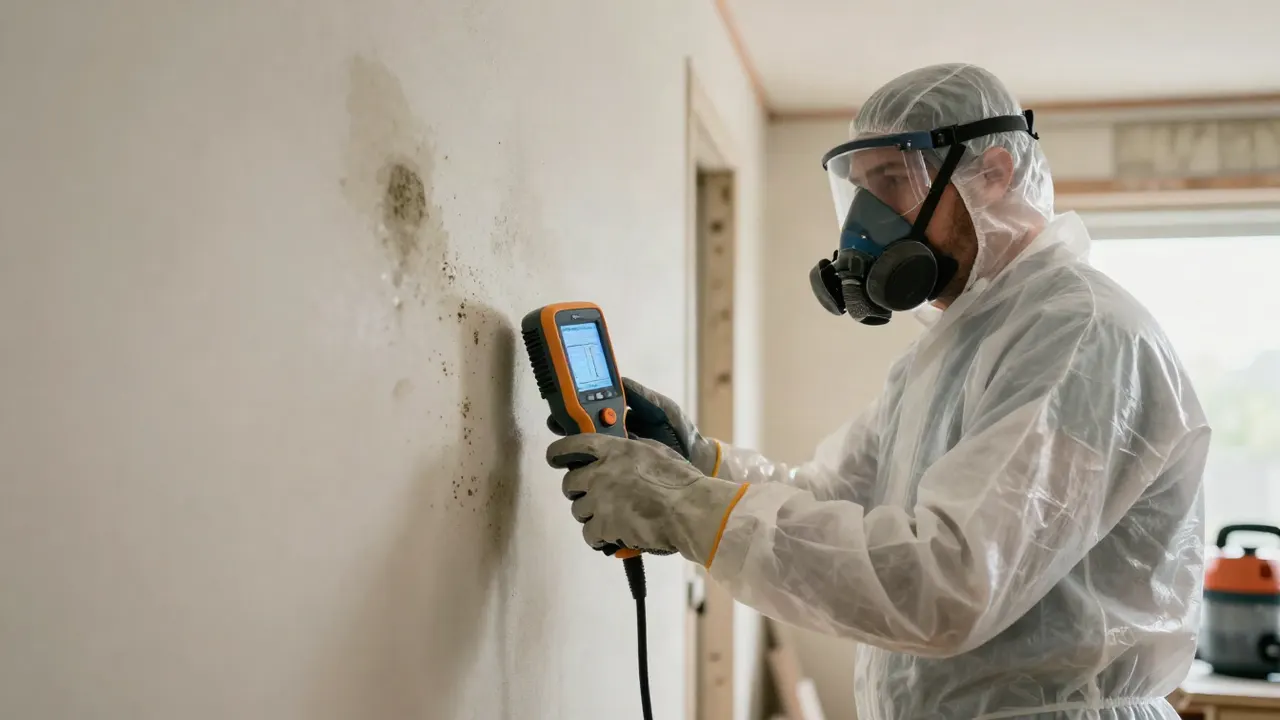
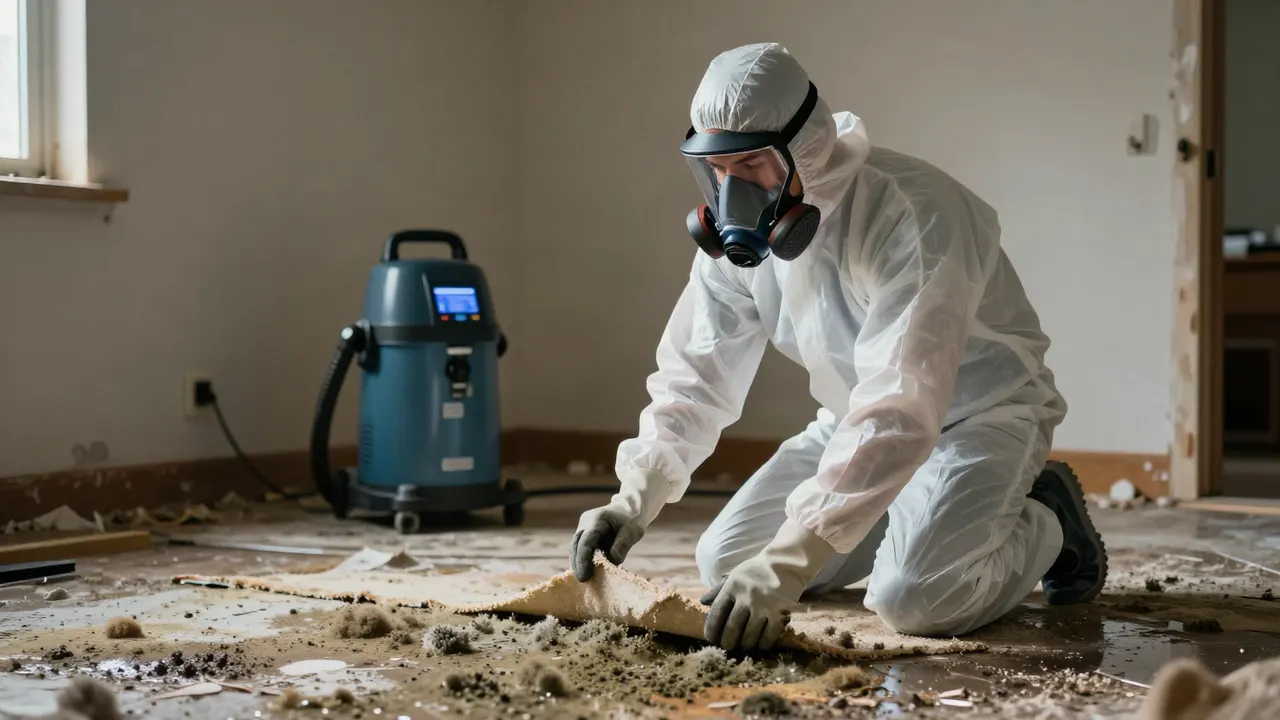
We inspect attics, walls, cabinets, and HVAC closets in houses, condos, and rentals across Bradenton. You get a written report with photos, moisture readings, and lab results you can act on.
We inspect offices, retail spaces, and multi-unit properties for moisture and mold growth. Reports are written for property managers and owners who need documentation.
A Mold Inspection Bradenton FL is a full visual and technical evaluation of your property for active mold growth and the moisture feeding it. We start with a room-by-room walkthrough, then use a moisture meter and thermal imaging camera to check walls, ceilings, and floors for hidden dampness. We inspect attic sheathing, HVAC air handlers, supply plenums, and the back of drywall near tubs and sinks. If we find suspect growth, we collect air and surface samples and send them to a lab for confirmation.
Bradenton homes deal with high humidity most of the year, and that is enough to wake up dormant spores after a leaky roof, slab leak, or HVAC condensation problem. If you have had water damage, a slow drip under a cabinet, or a storm push water into a wall, a mold assessment Bradenton FL is the right first step before you spend money on repairs. We also handle condo and rental properties where a quick mold evaluation Bradenton FL protects the unit and the tenant.
We find the moisture first, because mold is just the symptom.
Every inspection follows the same five steps. You know what is happening, what it costs, and what comes next before we leave your property.
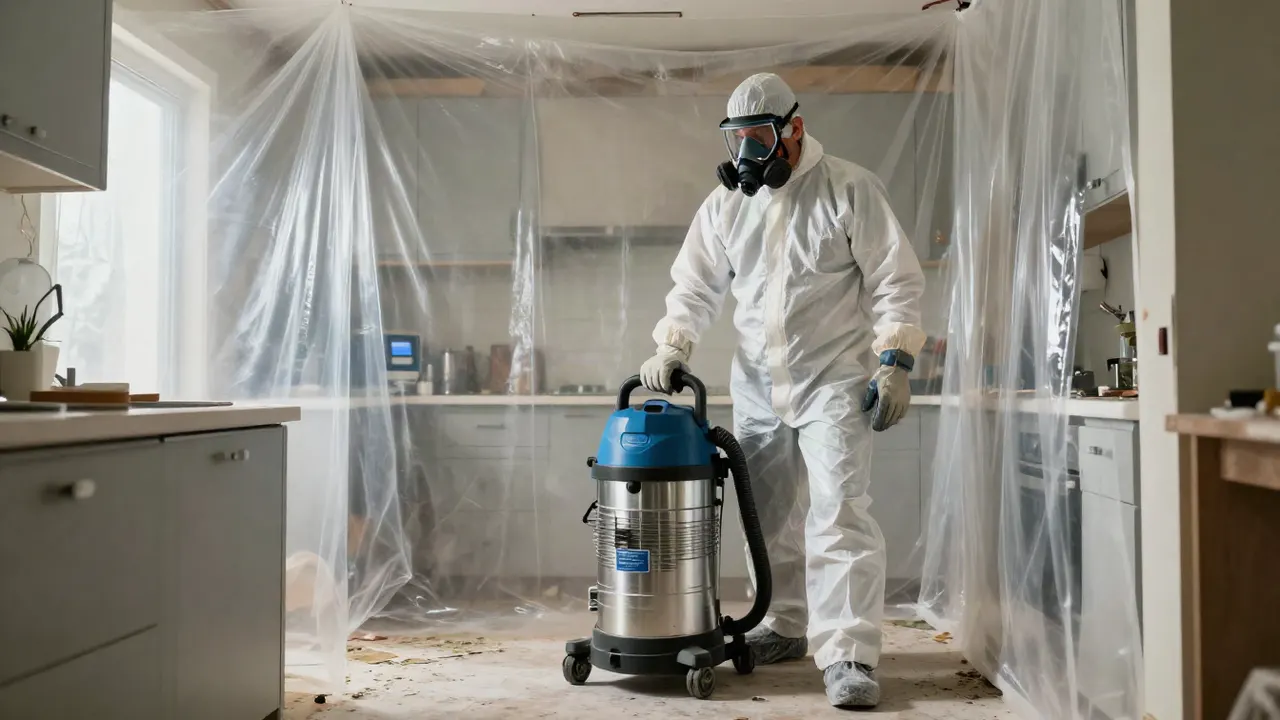
We ask about the smell, the stains, any recent leaks, and how long the issue has been going on. That call takes about 10 minutes and lets us bring the right tools. If you need same-day mold inspection Bradenton service, we tell you on the call whether we can make it that day.
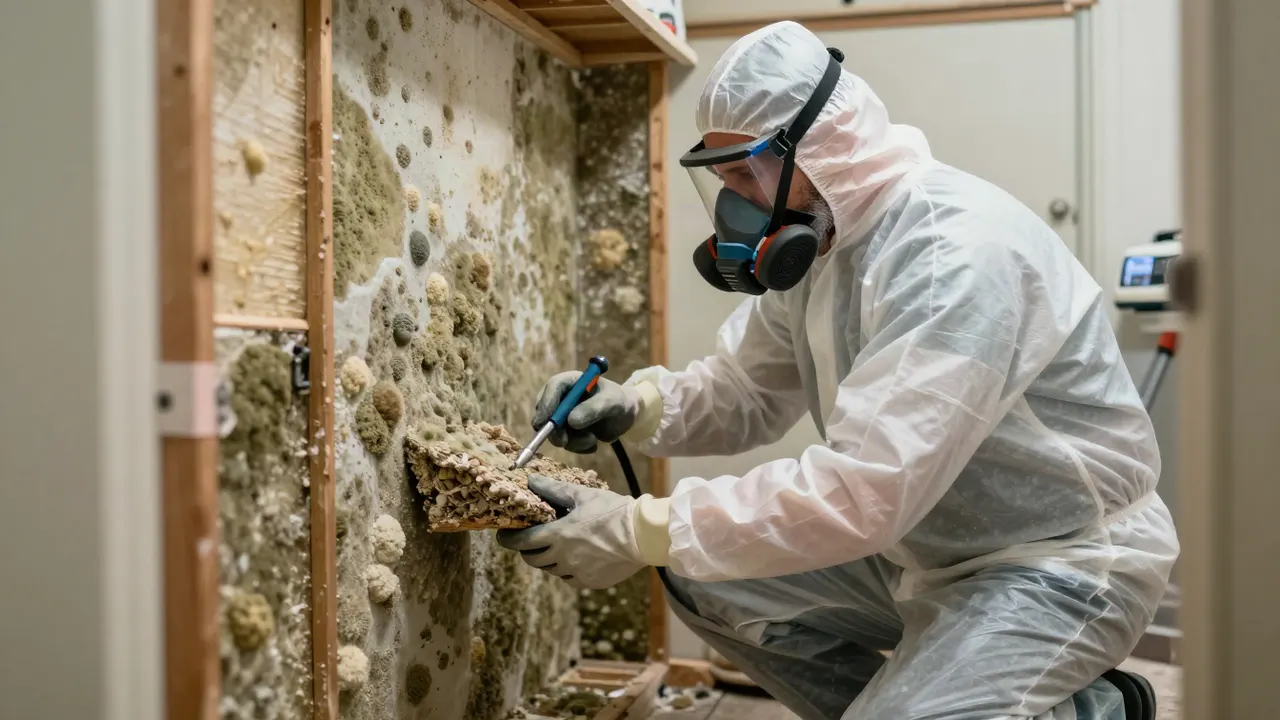
We walk the property room by room, checking under sinks, behind appliances, in closets, and along exterior walls. We note any visible growth, water staining, or bubbling paint. This part usually takes 30 to 45 minutes for a standard home.
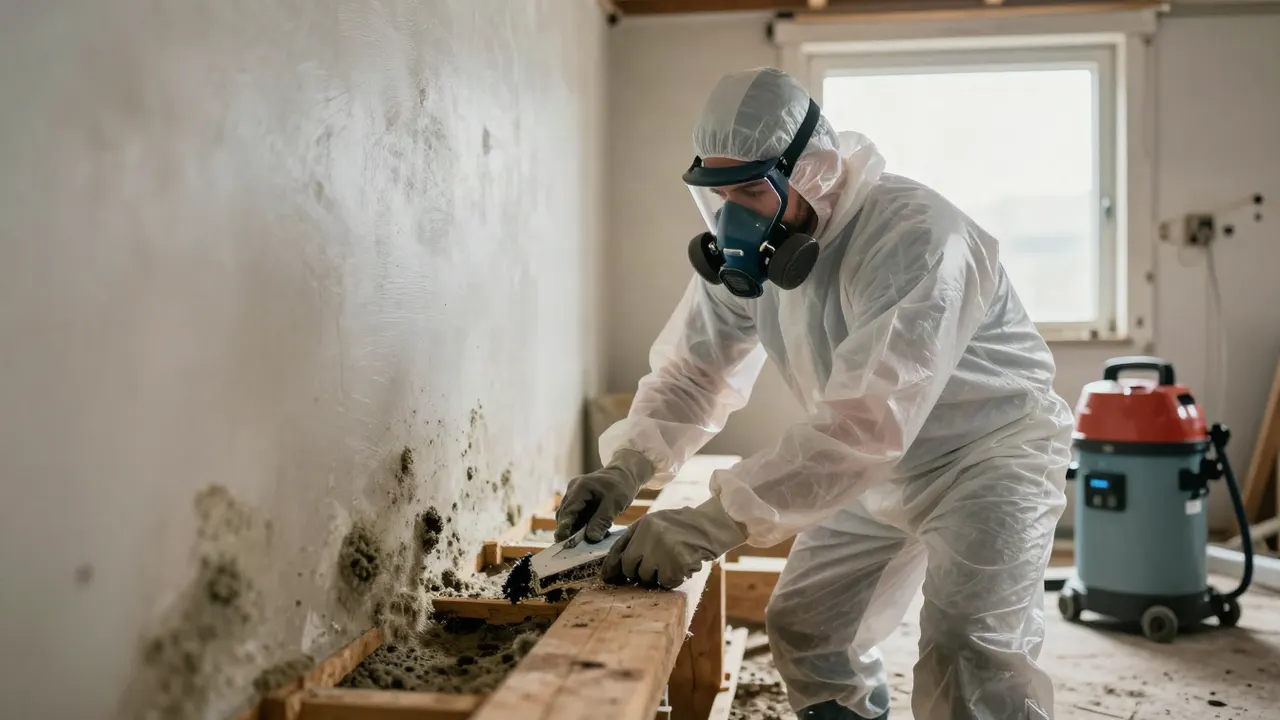
We run a moisture meter across walls and floors and use a thermal imaging camera to spot temperature differences that signal hidden moisture. A boroscope goes into wall cavities when we need to see behind drywall. This is where most hidden problems get found.
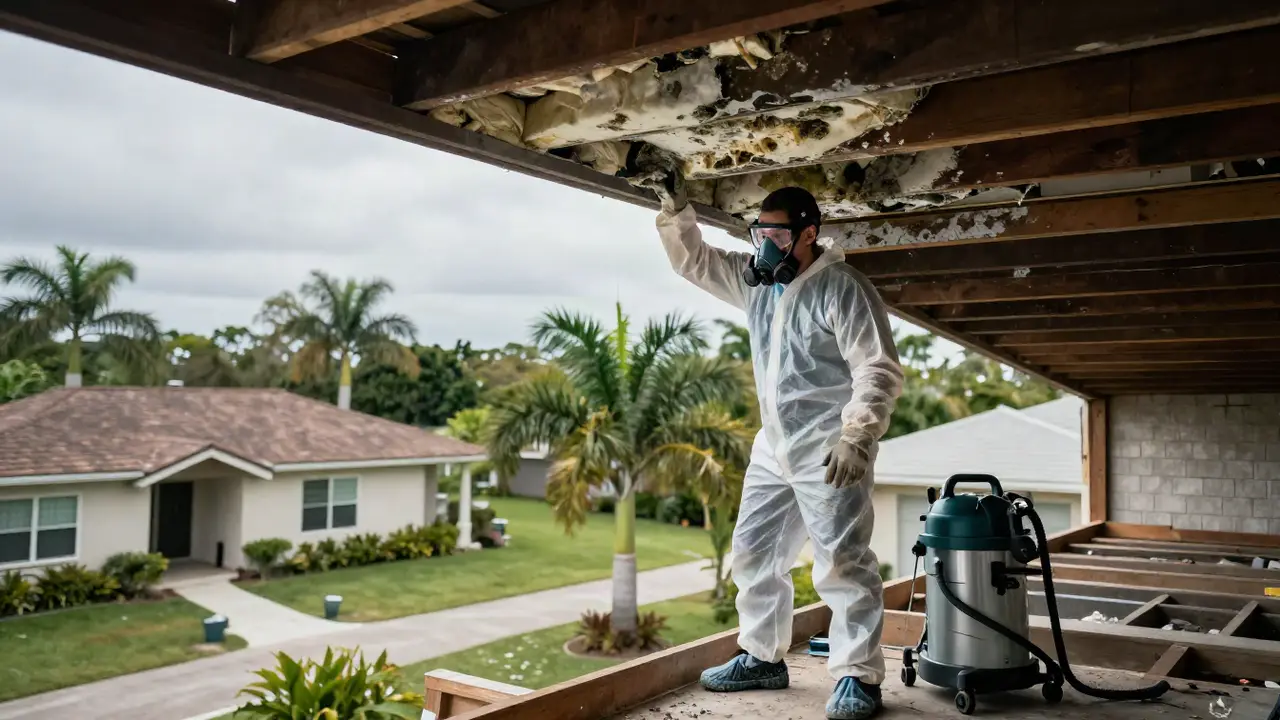
When growth is suspected, we collect air samples and surface swabs and send them to an accredited lab. Results usually come back in 24 to 48 hours. The lab tells us the type and concentration of mold so we know exactly what we are dealing with.
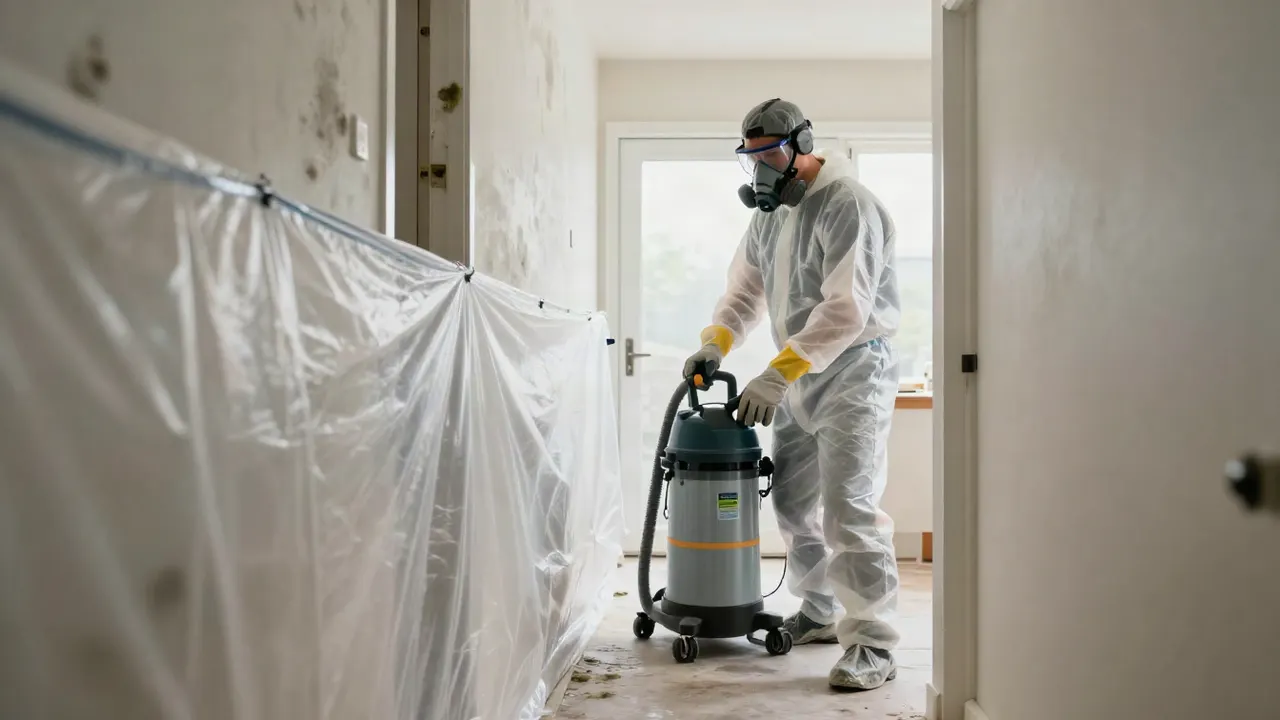
We review findings with you on site, then send a written report with photos, lab results, and a recommended scope. If remediation is needed, we explain what it involves and what it costs. No pressure, no surprise fees.
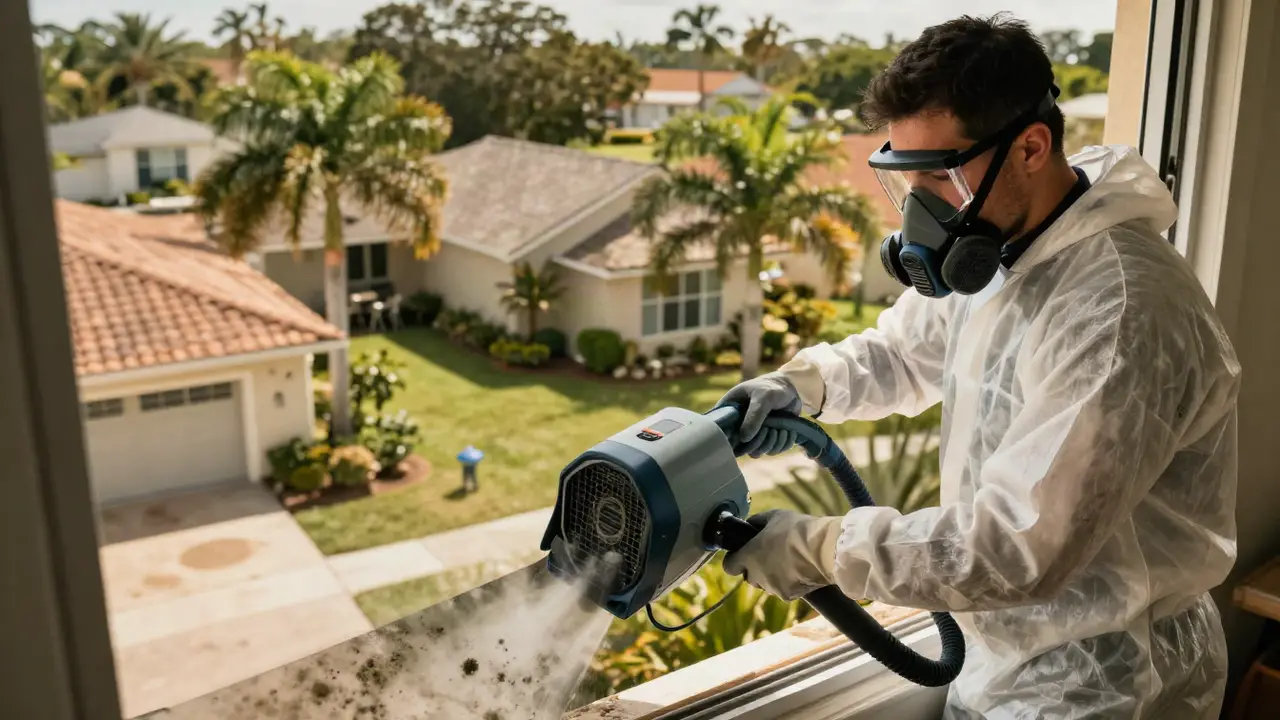
Detects temperature differences behind walls and ceilings that signal hidden moisture. We use it to scan large areas quickly and pinpoint where to take moisture readings.
Gives us exact moisture content readings in drywall, wood, and flooring. Anything above normal range tells us there is a water source feeding potential mold growth.
A small camera on a flexible rod that lets us see inside wall cavities and behind cabinets without cutting large holes. We use it to confirm growth before recommending any demolition.
When we need to clean the air during or after sampling, these capture spores and particles. A HEPA vacuum is also used to clean surfaces before and after remediation work.
If we find active moisture, a dehumidifier pulls it out of the air and materials. A negative air machine keeps spores from spreading to other rooms during any removal work.
Antimicrobial sprays and encapsulants we apply after remediation to treat surfaces and seal them. These are industry-standard products used to prevent regrowth.
This is the industry standard for mold assessment and remediation. It tells us how to inspect, how to document findings, and what conditions require containment. Following it means your report holds up with insurance companies and real estate transactions.
We take readings at multiple points across a room or wall and map them out. This shows us the extent of moisture intrusion and helps us find the source, not just the wet spot. It also gives us a baseline to compare against after repairs.
We inspect the whole property, paying close attention to HVAC components and closed-off rooms where humidity builds up. A moisture meter and thermal scan find where the dampness settled. You get a clear report showing whether the smell is active mold or just stale air, and what to do next.
We check the cabinet, the wall behind it, and the floor below with a moisture meter. If readings are high, we take samples and document the area for insurance. You know whether the area is dry or whether mold has started, without tearing out cabinets on a guess.
We inspect the attic sheathing, rafters, and insulation, and check for roof leaks and ventilation problems. Samples go to the lab if growth is suspected. You get a written report with lab results you can use to negotiate repairs or walk away with confidence.
We inspect the unit, collect samples if needed, and deliver a written report with photos and lab results. The report works for both you and the tenant. You have a professional record that shows what was found and what needs to be done, protecting you either way.
Bradenton sits in one of the most humid parts of Florida, and that shapes every inspection we do. Summer humidity regularly sits above 70 percent, and afternoon storms push water into attics and wall cavities. Older homes near Downtown Bradenton and the Village of the Arts often have original windows, older HVAC systems, and less ventilation than newer builds. That combination is a mold-friendly environment. We see attic mold after roof leaks, wall growth behind kitchen and bathroom cabinets, and HVAC condensation problems in air handlers that have not been serviced in years. When you call for a professional mold assessment in Bradenton, Florida, we bring the tools to check all of these areas in one visit. Whether you need a same-day mold inspection Bradenton appointment or a scheduled one, we document everything with photos and lab results so you have a clear record.
A homeowner in Downtown Bradenton noticed dark staining on the ceiling after a storm. The attic had visible growth on the sheathing near a roof penetration, and insulation was damp. Moisture readings were high across a 6-foot section of the roof deck.
We documented the growth with photos and lab samples, which confirmed active mold. The roof was repaired, affected sheathing was treated, and insulation was replaced. Post-remediation air samples came back at normal levels within two weeks.
Check the attic once a year after storm season. Look for staining on the roof deck and feel for damp insulation. Fix any roof leak within 48 hours to prevent regrowth.
A rental unit in Bayshore Gardens had a musty smell in the kitchen. The tenant could not see any mold. We pulled the lower cabinet and found moisture behind the back panel from a slow supply line leak. Surface samples confirmed mold growth on the cabinet backing.
The leak was repaired, the affected cabinet panel was removed and replaced, and the area was treated with an antimicrobial spray. Air samples after the work showed normal spore levels. The tenant stayed in the unit through the repair.
Check under sinks every few months for drips or discoloration. A $10 supply line replacement prevents a $2,000 cabinet repair.
A commercial office in Bradenton had complaints about air quality. The air handler closet had visible growth on the interior panel and the drain pan was not draining properly. Moisture readings inside the closet were consistently high.
We documented the growth and the drain issue, and the HVAC contractor cleared the drain line and repaired the pan. The closet was cleaned and treated. Follow-up air samples in the office space came back within normal range.
Have the HVAC system serviced twice a year. Keep the drain pan and line clear, and check the air handler closet for any signs of moisture.
Most calls we get start with one of these four problems. Each one has a clear path forward once we complete the inspection.
We use a thermal imaging camera and moisture meter to trace the smell to its source. If we find growth behind drywall, a boroscope confirms it before we recommend any cutting. Lab samples verify the mold type. A persistent musty odor usually means hidden growth in a wall cavity, under a floor, or inside an HVAC system. Ignoring it lets the problem spread and can affect indoor air quality.
We inspect the stain and the surrounding area, check the attic above it if applicable, and take moisture readings. If growth is present, we collect samples and document everything for your insurance claim. A stain means water got in, and where water goes, mold often follows within 24 to 48 hours. The longer it sits, the deeper the growth goes into the drywall and framing.
We inspect the attic sheathing, insulation, and rafters near the leak point. A moisture meter tells us if the framing is still wet. If growth has started, we document it and recommend the right scope. Bradenton storms push water into attics and wall cavities. Even after the roof is patched, moisture can stay trapped and feed mold for weeks.
Our home mold inspection Bradenton service gives both sides a clear picture. We check the attic, wet walls, and HVAC, then deliver a written report with lab results that satisfies lenders, realtors, and attorneys. Undisclosed mold can kill a real estate deal or become a legal problem after closing. Buyers want proof, and sellers want to clear up questions before listing.
That musty odor in a hallway or bedroom is not normal. We use a moisture meter and thermal imaging camera to trace the smell back to its source, whether it is a slow leak behind a shower wall or condensation inside an air handler. You get a straight answer instead of a guess.
A home mold inspection Bradenton buyers order before closing can save a deal or renegotiate one. We check the attic, crawlspaces, and every wet wall, then document what we find with photos and lab results. Sellers get the same service when they want to clear up questions before listing.
Attic mold is common in Bradenton after a roof leak or a long stretch of humid weather. We inspect roof sheathing, insulation, and rafters with a boroscope when needed. Catching it early keeps the problem out of your ceilings and out of your living space.
Our written report includes photos, moisture readings, lab results, and a clear scope of what needs to be done. Insurance adjusters, realtors, and remediation crews can all work from the same document. It is the fastest way to move from problem to fix.
Clear records you can keep and share.
Photos, readings, and findings in one document
Clear next steps if remediation is needed
An inspection finds the problem and documents it. Remediation removes it. These are separate steps, and knowing the difference helps you plan.
An inspection identifies mold and moisture. Remediation removes it. We do both, but they are separate scopes with separate pricing.
Removing mold without fixing the water source means it comes back. We identify the source as part of every inspection so the fix lasts.
Outside these areas? Call and ask, we may still be able to help. 123456789
Most home inspections in Bradenton run $250 to $600 depending on square footage and how many samples we collect. A small condo with one air sample sits at the low end, while a larger home with attic and wall cavity sampling lands higher. We quote the price before we arrive so there are no surprises.
A full assessment includes a room-by-room walkthrough, moisture meter readings, thermal imaging, and a boroscope check of wall cavities when needed. If we find suspect growth, we collect air and surface samples for lab analysis. You get a written report with photos, lab results, and a recommended scope within 48 hours.
A standard single-family home takes two to three hours on site. Condos and smaller units usually finish in 90 minutes. Larger properties with multiple HVAC systems or attic spaces can run four hours. Lab results come back separately in 24 to 48 hours.
Yes, especially in Bradenton where humidity and storm history make hidden growth common. A pre-purchase inspection checks the attic, wet walls, and HVAC system before you close. If we find active growth, you can negotiate repairs or walk away with real information instead of a guess.
If you smell something musty or see stains after a leak, do not wait for it to spread. Call us and we will schedule a same-day or next-day inspection. We quote the price upfront, show up on time, and hand you a written report you can act on.
Call us any time, day or night. For active leaks and storm damage we dispatch emergency crews right away. For non-urgent mold issues, we schedule same-day or next-morning inspections across Bradenton and Manatee County.