
Lab report
Spore counts by genus with chain-of-custody
Mold Testing Bradenton FL is the fastest way to find out whether the musty smell in your hallway is active growth or just old damp. We sample the air and the surfaces, map moisture with meters and thermal imaging, and send everything to an accredited lab. You get a written report you can hand to a remediator, a landlord, or an insurance adjuster.
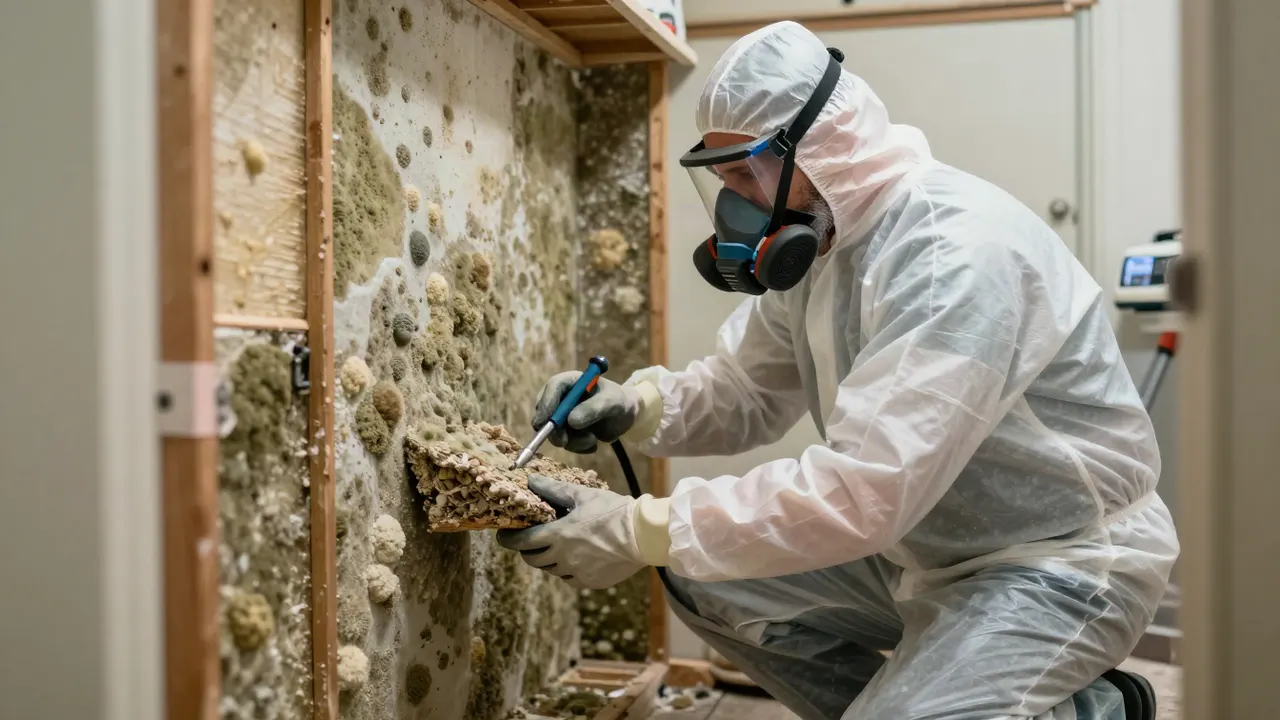
Every mold testing appointment covers the full assessment, not just a sample collection. Here is what you get, and what we handle separately if it turns out you need it.
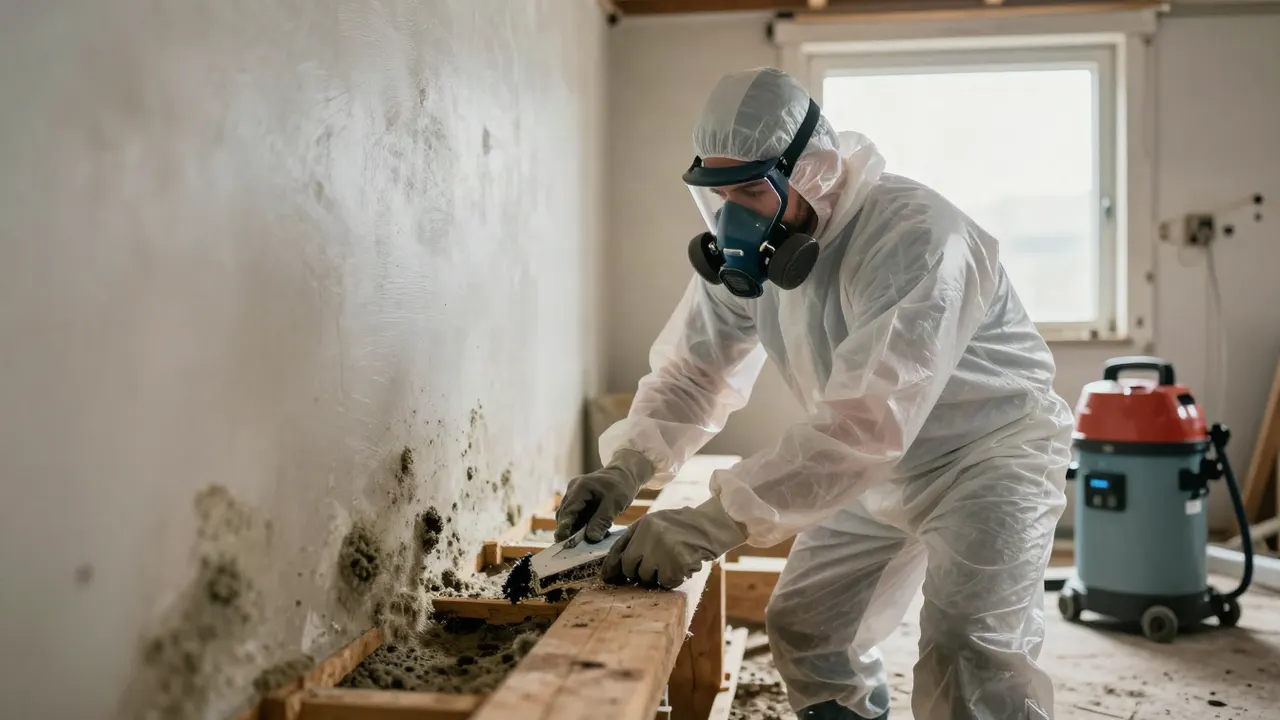
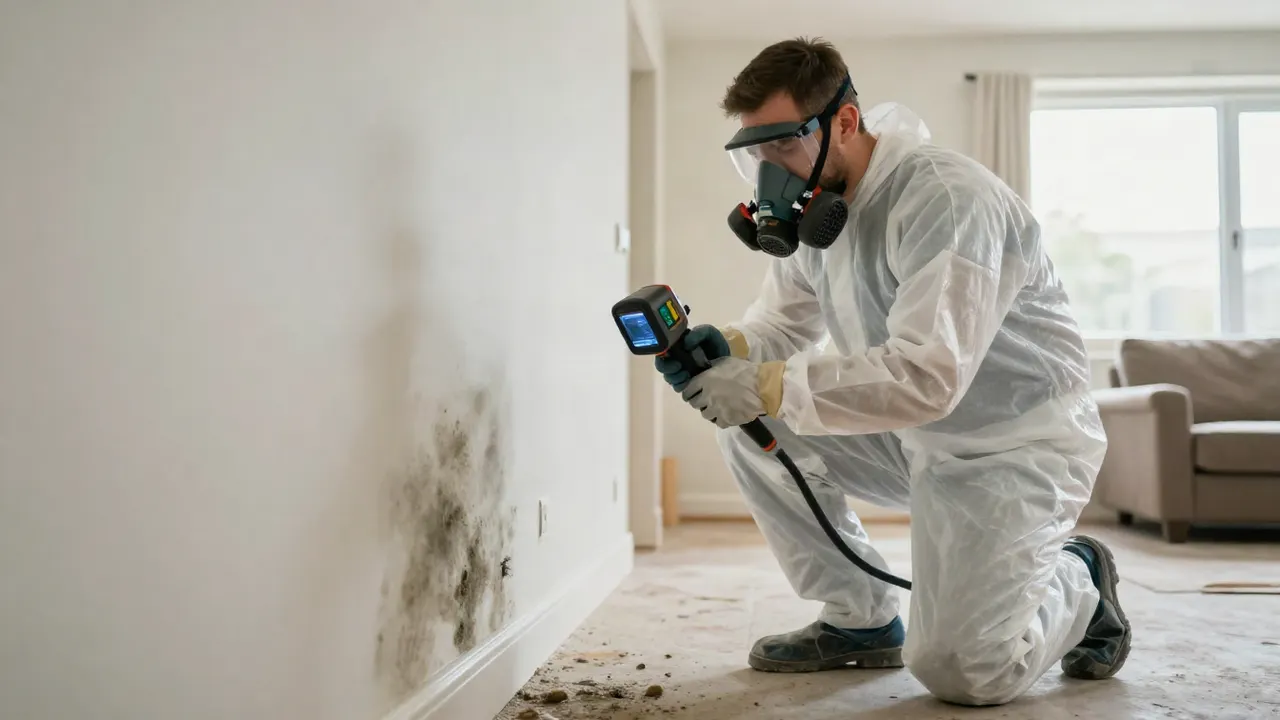
We test single-family homes, condos, and rentals across Bradenton. Every visit includes a moisture walkthrough, air sampling, and a written lab report you can act on.
We test commercial spaces where moisture and airflow problems affect tenants, staff, or inventory. Reports are written for property managers and adjusters, not just for the file.
Mold Testing Bradenton FL is an inspection and sampling service that measures whether mold spores are elevated indoors and identifies what kind of growth is present. We start with a walkthrough: moisture meter readings on baseboards, drywall, and window frames, a thermal imaging camera pass across ceilings and exterior walls, and a boroscope look inside the wall cavity wherever the meter spikes. Then we collect air samples and surface samples, label them, and ship them to an accredited lab. Results come back with spore counts by genus, so you know whether you are looking at a small condensation issue or an active water feed behind the drywall.
Bradenton homes run humid most of the year, and that is the whole problem. Summer dew points sit in the mid-70s, afternoon thunderstorms push rain sideways into stucco and window frames, and HVAC condensation lines clog in attics that hit 130 degrees. Add a leaky roof after a storm or a slab leak under tile, and you have the two ingredients mold needs: moisture and a food source. If you have been putting off mold sampling near me Bradenton FL searches because you are not sure it is worth it, the answer is usually yes. A $300 test beats tearing out a wall on a guess.
We sample the air and the surfaces, then let the lab tell you what is actually there.
Five steps from first call to a lab report in your inbox. Most jobs are done in a single visit.
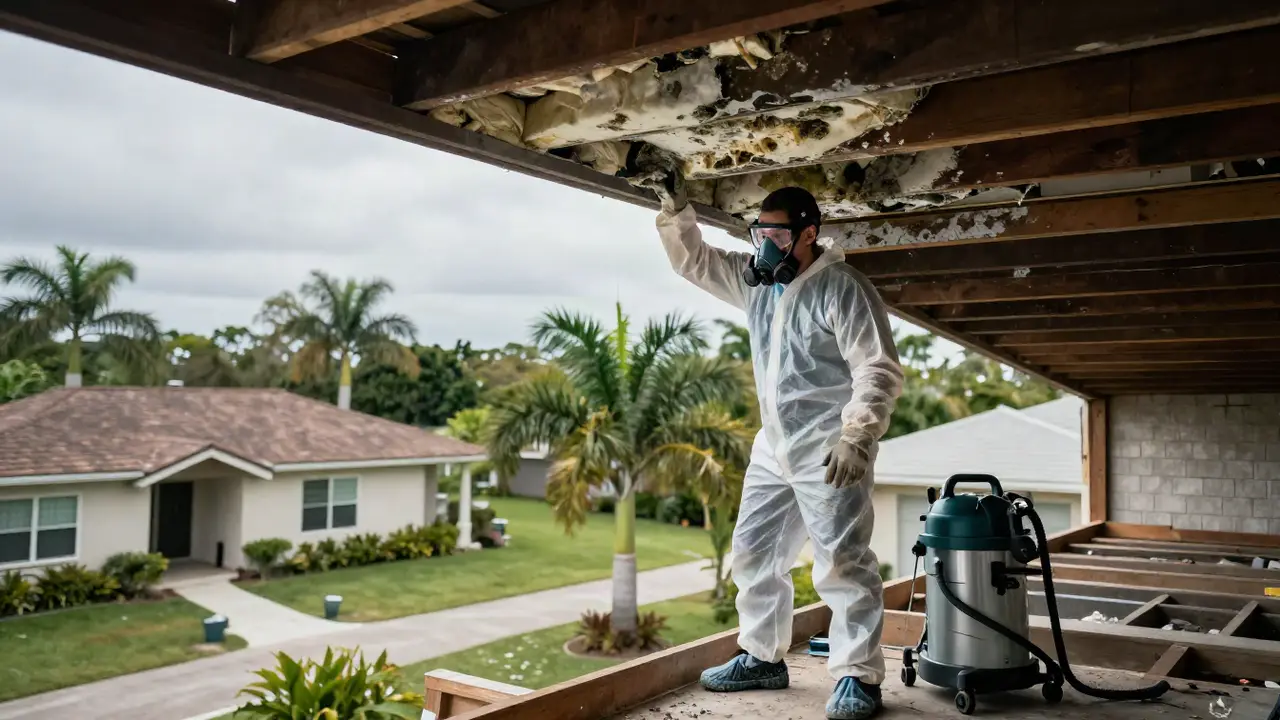
We ask where you smell or see something, when it started, and whether there was a recent leak, storm, or AC problem. That tells us how many samples to plan for and whether we need attic or crawlspace access. You get a flat price before we schedule. No trip charge, no surprise line items.
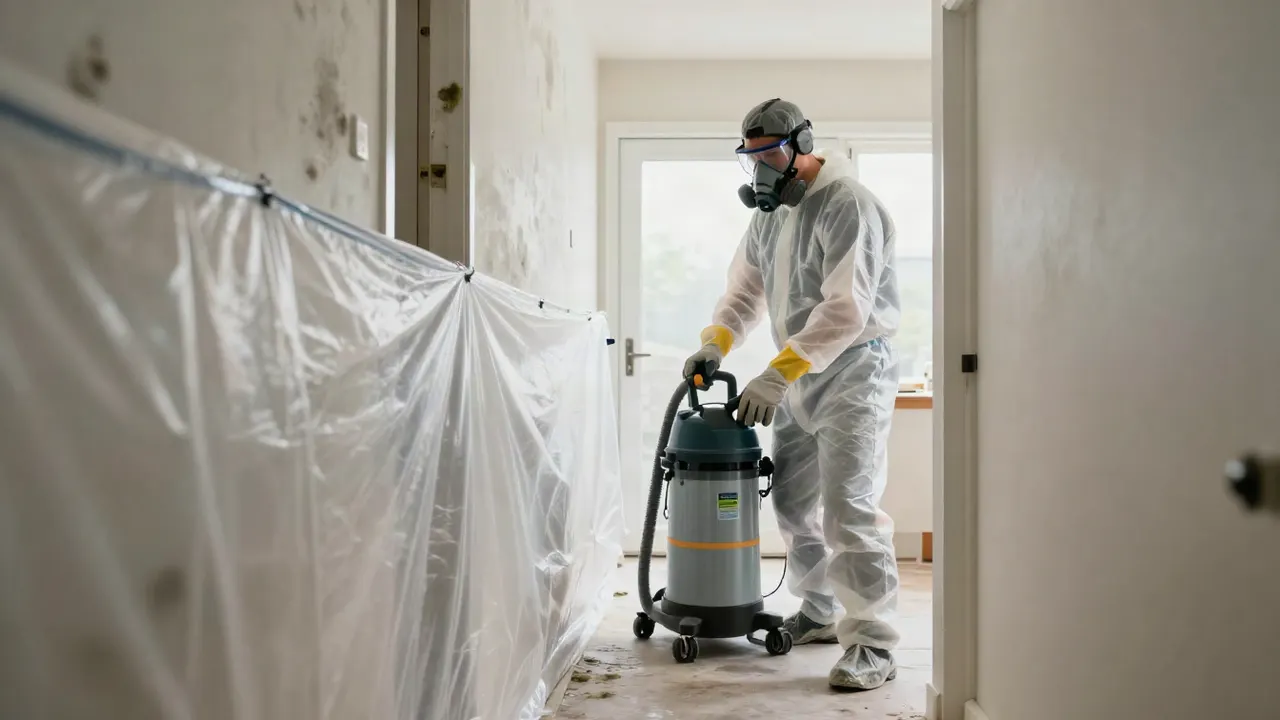
A technician walks the home with a moisture meter and thermal imaging camera, checking baseboards, ceilings, window frames, and the air handler closet. Where readings spike, we use a boroscope to look inside the wall cavity. This takes 30 to 45 minutes on a typical Bradenton home and tells us exactly where to sample.
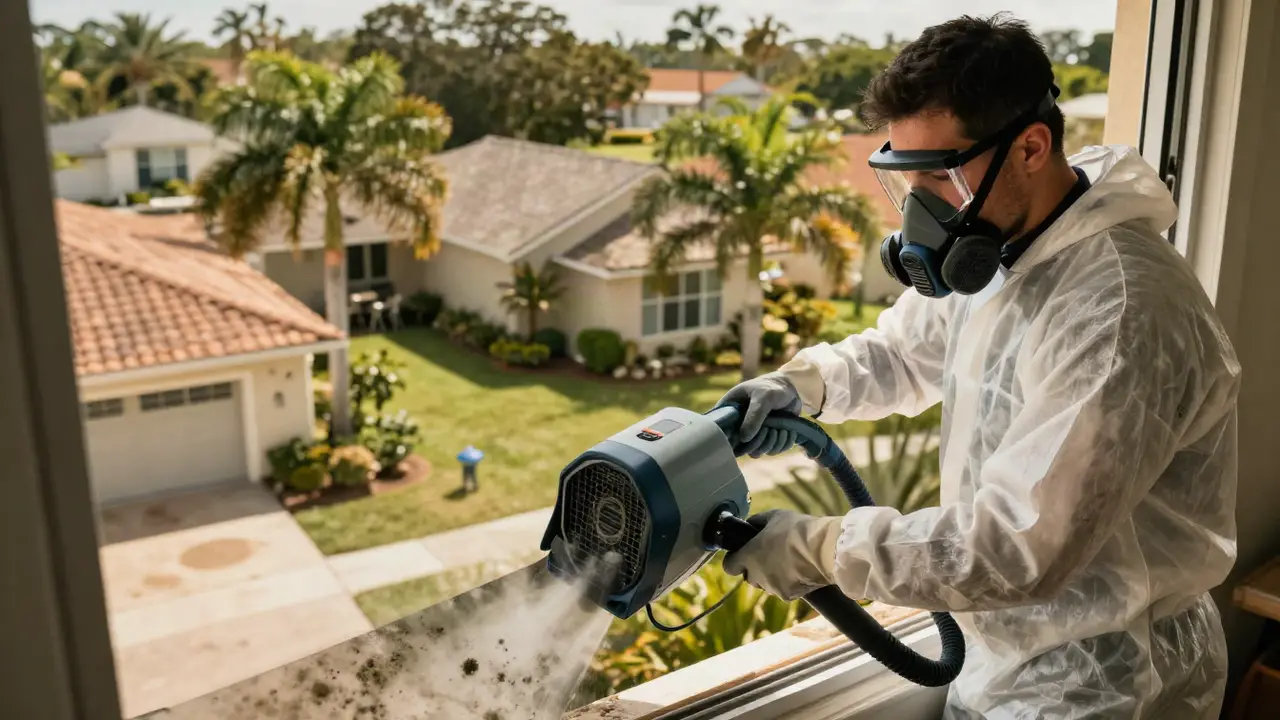
We run calibrated air sampling pumps for 5 to 10 minutes per location, typically one outdoor control sample plus two to four indoor samples. Surface samples use tape lifts or swabs on visible growth. Every sample is labeled with location, time, and volume, then packed for the lab with chain-of-custody paperwork.
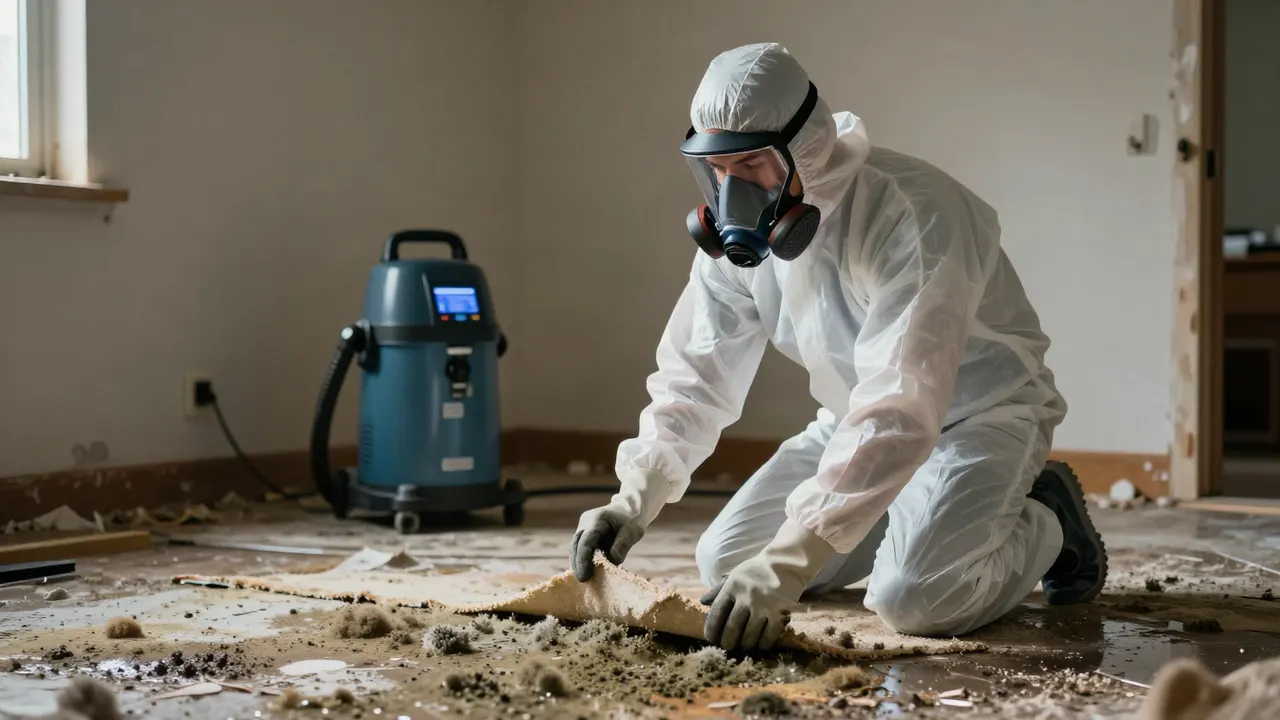
Samples go to an accredited third-party lab. Standard turnaround is 2 to 3 business days, and rush options are available if you are in a real estate contingency or an insurance deadline. The lab reports spore counts by genus, including Aspergillus/Penicillium, Cladosporium, Stachybotrys, and Chaetomium.
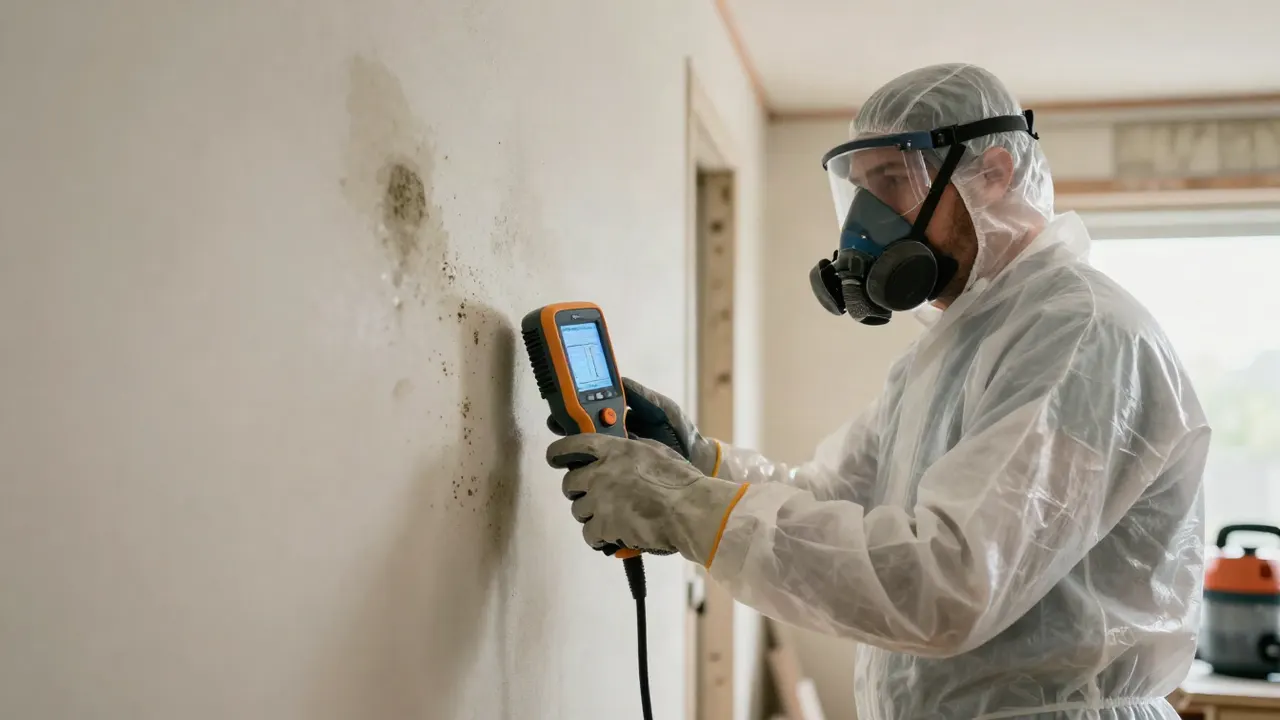
We send you the full lab report plus a plain-language summary: what was found, where, how it compares to the outdoor control sample, and what we recommend next. If remediation is needed, we scope it. If it is a humidity problem, we tell you that too. You get the same report whether the answer is bad or good.
Reads temperature differences across walls and ceilings to reveal hidden moisture pockets behind drywall, under flooring, and around window frames without cutting anything open.
Gives us a numeric reading on baseboards, framing, and drywall so we know whether a material is actually wet or just looks discolored. We compare readings room to room to map the extent.
A small camera on a flexible probe that lets us look inside a wall cavity or behind a cabinet through a quarter-inch hole. We confirm what the meter and thermal camera suggested before we sample.
Draws a known volume of air through a spore trap cassette over 5 to 10 minutes. Calibration is what makes the lab's spore-per-cubic-meter count meaningful and defensible.
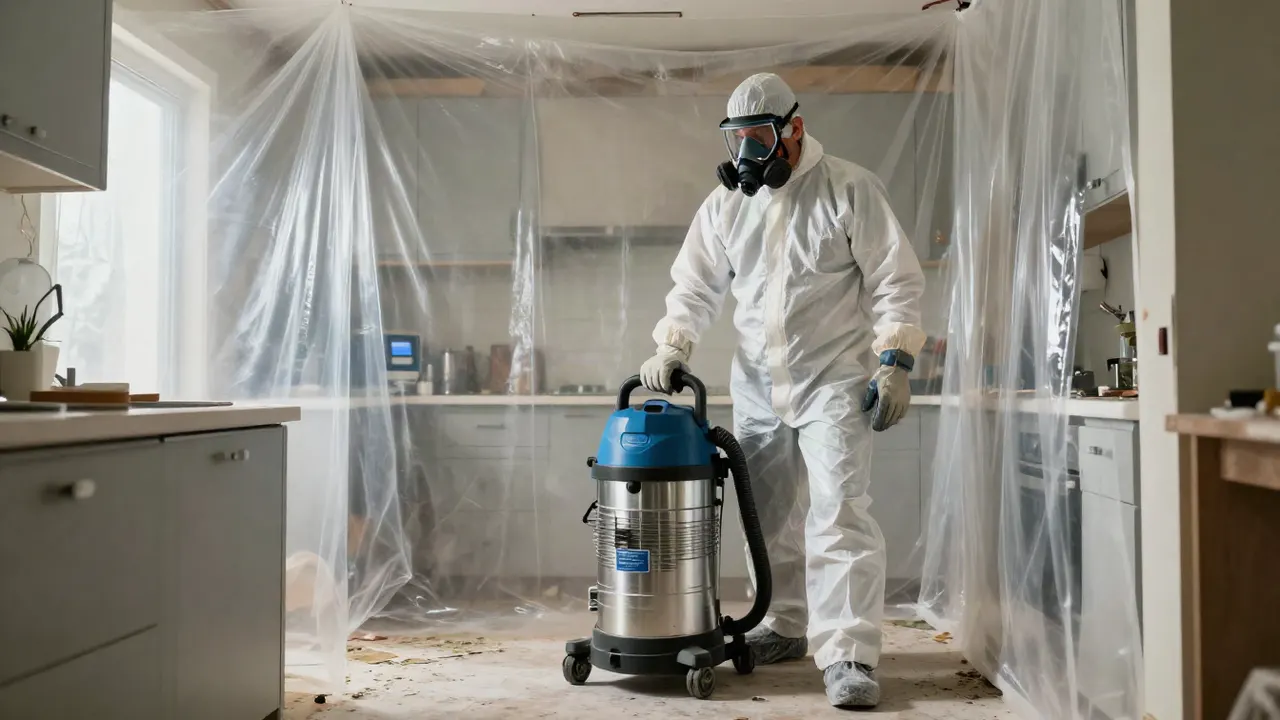
Used during sampling and any follow-up work to capture settled spores without blowing them back into the air. Standard equipment on every job we run.
Creates negative pressure inside a containment zone so spores cannot migrate into clean areas of the home during remediation. We use it whenever testing leads to removal work.
Pulls moisture out of the air in affected rooms to stop active growth from spreading while we wait on lab results. Critical in Bradenton where ambient humidity stays high.
The industry standard for mold assessment and remediation. It defines how to conduct a visual inspection, where to sample, how to interpret lab results, and what conditions must be met before a space is considered clean. We follow it on every job.
We test the affected wall cavity with a moisture meter and boroscope, then take air and surface samples. If growth is present, we scope the removal. If the wall is still dry inside, we tell you to monitor it and skip the remediation. You either get a clean report and save thousands, or you catch the growth early before it spreads to the framing and insulation.
We run a full sampling package with an outdoor control, deliver the lab report in 2 to 3 days, and provide documentation the seller and your agent can act on. Rush turnaround is available if you are close to closing. You negotiate with data instead of guesses, and you know exactly what remediation will cost before you sign.
We test the air handler closet, the adjacent rooms, and the attic if insulation got wet. Air samples plus surface samples tell us whether the growth is limited to the pan or has spread into the ductwork and framing. You get a scope that targets the actual affected area instead of a blanket quote for the whole house.
We run air samples in the affected rooms and compare them to an outdoor control. The lab report names the genus and the concentration, which ends the back-and-forth about whether there is a real problem. You have a written report that satisfies a tenant, a landlord, or an insurance adjuster, and a clear next step either way.
Bradenton sits in one of the most humid parts of Florida, and that shapes how we test. Summer dew points in the mid-70s mean outdoor spore counts are naturally high, so an outdoor control sample is not optional here, it is essential. Homes near the Manatee River and in older neighborhoods like Downtown Bradenton and Village of the Arts tend to have original construction with less vapor management, which means moisture migrates into wall cavities more easily. Newer builds out east are tighter, so HVAC condensation and poor ventilation become the main culprits instead. We also see a lot of attic mold after storm season, when roof decking stays hot and humid and a small flashing leak goes unnoticed for weeks. If you are searching for professional mold sampling in Bradenton, Florida, the local context matters. A technician from out of the area may not know that a musty smell in a 1950s bungalow usually points at a different source than the same smell in a 2018 build. We test with that in mind and write the report so you know what to fix, not just what we found.
A homeowner in Downtown Bradenton had a musty smell in the hallway for months. Two contractors gave different opinions. No visible mold, no obvious leak, and the humidity readings in the hallway looked normal on a basic gauge.
Air samples showed elevated Aspergillus/Penicillium indoors compared to the outdoor control. Thermal imaging pointed at the shared bathroom wall, and a boroscope confirmed growth inside the cavity from a slow supply line leak. We scoped the remediation and the repair.
Fix the supply line, dry the cavity, and run the bathroom exhaust fan for 20 minutes after every shower. Recheck moisture readings twice a year.
A homeowner in 34209 noticed dark staining on the attic decking after a summer of storms. The roof had a small flashing leak that went unnoticed. Insulation around the leak was damp and the decking showed visible growth across about 40 square feet.
Surface samples confirmed Stachybotrys and Cladosporium on the decking. We removed the affected insulation, treated the framing, and replaced the saturated material. A clearance test came back with spore counts back to normal levels.
Repair the flashing, add ridge and soffit ventilation, and check the attic for moisture after every major storm. Keep the air handler pan draining freely.
A property manager in Village of the Arts had a tenant complaining about a smell in a bedroom. The unit had been closed up for weeks with the AC off. The manager expected a remediation quote and was braced for several thousand dollars of work.
Air samples came back with indoor spore counts at or below the outdoor control. No elevated growth. We recommended running the AC, adding a dehumidifier, and improving airflow to the room. The smell cleared within a week.
Keep the AC running or use a dehumidifier during vacant periods. Open interior doors so air moves between rooms. Recheck if the smell returns.
Most people call us because something feels wrong and they cannot get a straight answer. Here is what we actually fix.
We run air samples in the affected rooms plus an outdoor control, then use thermal imaging and a moisture meter to trace the smell back to its source. The lab report tells you the genus and the concentration, so the fix targets the actual problem. You cannot remediate what you cannot find, and guessing leads to tearing out the wrong wall or paying for work that does not solve the problem.
We test within days of the water event, before growth spreads. If spore counts are still normal, we tell you to dry the area and monitor. If they are elevated, we scope the remediation and document everything for your insurance claim. Mold can colonize wet drywall in 24 to 48 hours. By the time you see it, the growth has often spread behind the baseboard or into the insulation where you cannot reach it.
We provide a full lab report with spore counts, sample locations, and photo documentation that buyers, sellers, and agents all accept. Rush turnaround is available so you can keep your closing date. A buyer's inspector notes a musty smell or dark staining and the deal stalls. Without lab documentation, you are negotiating over guesses and the price drops further than it should.
Air sampling measures what is actually in the air you are breathing, by genus and concentration. If counts are normal, we tell you so and you can look elsewhere. If they are elevated, you have documentation to bring to a doctor or an employer. Headaches, congestion, and coughing that clear up when you leave the house point at something in the air, but you need evidence before you spend money on a fix.
A full mold testing services Bradenton package runs a fraction of what remediation costs. If the lab comes back clean, you saved thousands. If it comes back elevated, you have documentation that justifies the work and supports an insurance claim. Either way you are making a decision with data instead of a contractor's nose.
Mold behind drywall or under a cabinet does not announce itself. Thermal imaging and moisture meters let us trace the water back to a leaky roof flashing, an HVAC condensation pan, or a slab leak. Fix the water and the mold stops coming back. Skip that step and you are paying for the same cleanup twice.
Our reports include sample locations, lab chain-of-custody, spore counts by genus, and photo documentation. Landlords, buyers, and adjusters accept them. If you are selling a home in 34205 or 34209 and a buyer's inspector flagged a musty smell, a lab report ends the argument in one email.
Remediation pricing swings wildly based on how much material has to come out. Testing tells us whether we are looking at a 20-square-foot patch behind a baseboard or a full attic. That means your remediation quote is based on measured spore counts and moisture readings, not a worst-case guess.
Clear records you can keep and share.
Spore counts by genus with chain-of-custody
Labeled locations for every air and surface sample
Plain-language findings and recommended next steps
A musty smell does not tell you whether mold is active or whether it is old damp that already dried out. Testing answers that question with numbers instead of opinion.
Air samples measure what is floating in the room right now. Surface samples confirm what is growing on a specific material. You usually need both to get a full picture.
Outdoor air in Bradenton carries its own spores. Without an outdoor control taken the same day, an indoor count has no baseline to compare against.
A normal report is a real result. It tells you the smell is a humidity or ventilation issue and saves you from paying for remediation you do not need.
Outside these areas? Call and ask, we may still be able to help. 123456789
Most residential mold testing in Bradenton FL runs $250 to $650 in 2026, depending on how many samples are collected. A basic package with one outdoor control and two indoor air samples sits at the low end. Add surface samples, attic or crawlspace access, or rush lab turnaround and you move toward the top of that range. You get the flat price before we schedule.
Standard lab turnaround is 2 to 3 business days from the time samples arrive. Rush analysis can return results in 24 hours for an added lab fee. We email the full report with spore counts by genus and then call you to walk through what it means. If you are in a real estate contingency, tell us up front and we will schedule around your deadline.
Every test includes a full walkthrough with a moisture meter and thermal imaging camera, air sampling with calibrated pumps, surface sampling where growth is visible, and third-party accredited lab analysis. You receive the lab report, sample locations, photo documentation, and a written summary with recommendations. If remediation is needed, we scope it. If it is a humidity issue, we tell you that instead.
Yes. Air and surface samples identify Stachybotrys, the genus commonly called black mold, along with Aspergillus/Penicillium, Cladosporium, and Chaetomium. The lab reports spore counts by genus so you know exactly what is present and in what concentration. If you can see dark growth on drywall or under a cabinet, we take a surface sample directly from it for confirmation.
Every day you wait, mold has more time to spread through drywall and insulation. Call us, tell us what you are seeing or smelling, and we will give you a flat price and a same-day or next-day appointment. Lab results in 2 to 3 days.
Call us any time, day or night. For active leaks and storm damage we dispatch emergency crews right away. For non-urgent mold issues, we schedule same-day or next-morning inspections across Bradenton and Manatee County.